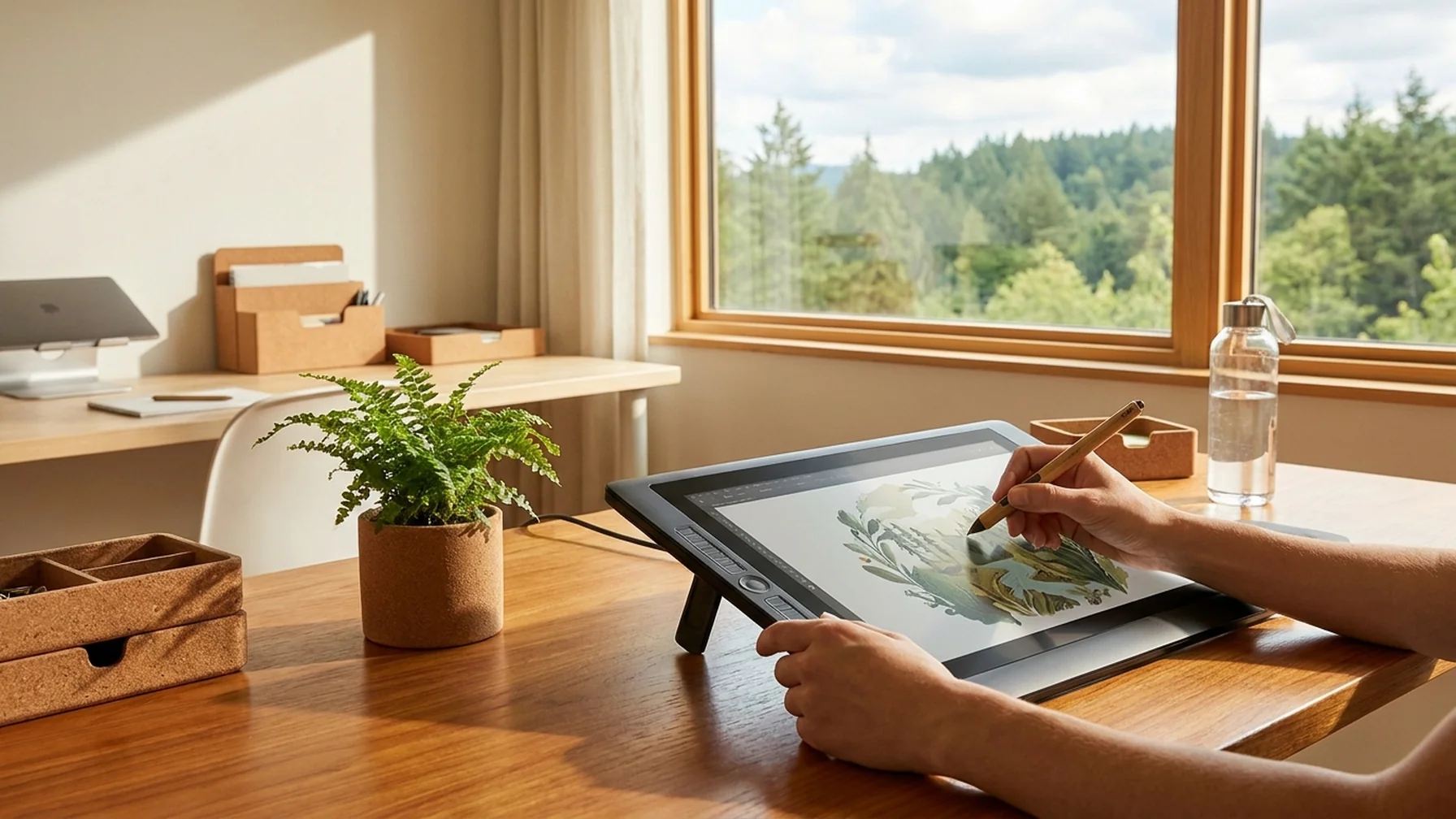
Sustainable Digital Art Practices: A Framework for Eco-Friendly Creativity
Contents
As digital art continues to rise in popularity, artists and enthusiasts are increasingly considering the environmental impact of their creative processes. Sustainable digital art practices are becoming more important as creators look for ways to reduce their carbon footprint while still producing engaging and innovative works. This article explores key strategies for achieving sustainability in digital art, offering practical tips for eco-conscious creators worldwide.
Understanding Sustainable Digital Art Practices
Sustainable digital art practices focus on minimizing environmental impact through thoughtful choices about technology and resources. Digital art encompasses any artwork created using digital technology, including digital painting, generative art, and AI-driven pieces. The goal of these practices is to reduce the environmental footprint while maintaining creativity and innovation.
Choosing Energy-Efficient Devices
One effective way to minimize the environmental footprint of digital art is through the use of energy-efficient devices. Here are some tips to guide your selection:
- Choose devices with Energy Star ratings or those known for low power consumption.
- Opt for tablets specifically designed for art, which often use less power than traditional computers.
- Consider energy-efficient monitors and computers as essential elements of your digital art toolkit.
To assist in your decision-making, here’s a comparison of some common digital art devices and their power consumption:
Power Consumption of Common Digital Art Devices
| Device | Average Power Consumption (Watts) |
|---|---|
| Standard Desktop Computer | 200-500 |
| Energy-Efficient Desktop | 100-250 |
| Standard Tablet | 15-30 |
| Art-Specific Tablet | 10-20 |
Evaluating the energy efficiency of your hardware can lead to significant reductions in energy use over time. By choosing the right devices, digital artists can contribute to a more sustainable practice.
Using Sustainable Software Solutions
The type of software you use can also impact your sustainability efforts. Opt for software that is optimized for efficiency, requiring less computational power. Some popular digital art software programs, like Procreate and Krita, are known for being resource-efficient, making them great choices for eco-friendly creators.
In addition, consider using cloud-based solutions for storage and collaboration, as these can reduce the need for physical storage devices, which have a higher environmental impact due to production and disposal.
Implementing Eco-Friendly Creative Processes
Eco-friendly creative processes are another facet of sustainable digital art practices. Artists can reduce waste by going paperless, utilizing digital sketchbooks and notes instead of paper ones. Additionally, practicing efficient file management by organizing and deleting unnecessary files can lower the energy consumption associated with data storage.
Moreover, incorporating generative art techniques can be a sustainable choice. This form of art uses algorithms and code to create pieces, often with minimal manual input, which can reduce time and energy expenditure significantly.
Exploring AI and Creative Coding
AI art and creative coding are growing fields that offer unique opportunities for sustainable art practices. AI can be used to generate art with minimal human intervention, potentially reducing the time and energy needed to create complex designs. Similarly, creative coding allows artists to produce intricate digital artworks through programming, often with high efficiency.
Artists interested in these areas should consider learning the basics of coding and experimenting with generative algorithms to explore new creative possibilities while maintaining a focus on sustainability.
Adopting Sustainable Business Models
Sustainability in digital art extends beyond creation to include the business side of art. Selling digital art can be done sustainably by using platforms that prioritize eco-friendly practices. For example, some marketplaces offer carbon offset programs for digital art sales.
Artists can also consider pricing their work to reflect the sustainability of their practices, educating buyers on the importance of eco-conscious art. Additionally, exploring the potential of NFTs (non-fungible tokens) with a focus on eco-friendly blockchain technology can be another avenue for sustainable digital art sales.
Benefits of Sustainable Digital Art Practices
Embracing sustainable digital art practices provides several benefits:
- Reduced carbon footprint by using energy-efficient devices and software.
- Lower resource consumption through paperless processes and efficient file management.
- Enhanced creativity and innovation via AI and creative coding techniques.
- Increased marketability by aligning with eco-conscious buyers.
Embracing sustainable digital art practices not only benefits the environment but can also enhance the artist’s reputation and appeal to a wider audience of eco-conscious consumers.
Conclusion: A Path to Eco-Friendly Creativity
Adopting sustainable digital art practices is a proactive choice that benefits both the environment and the art community. By selecting energy-efficient devices, using resource-conscious software, implementing eco-friendly creative processes, and exploring innovative technologies like AI and creative coding, artists can significantly reduce their environmental impact. Furthermore, adopting sustainable business models can increase the appeal of digital art in an eco-conscious world, creating a win-win situation for creators and consumers alike.