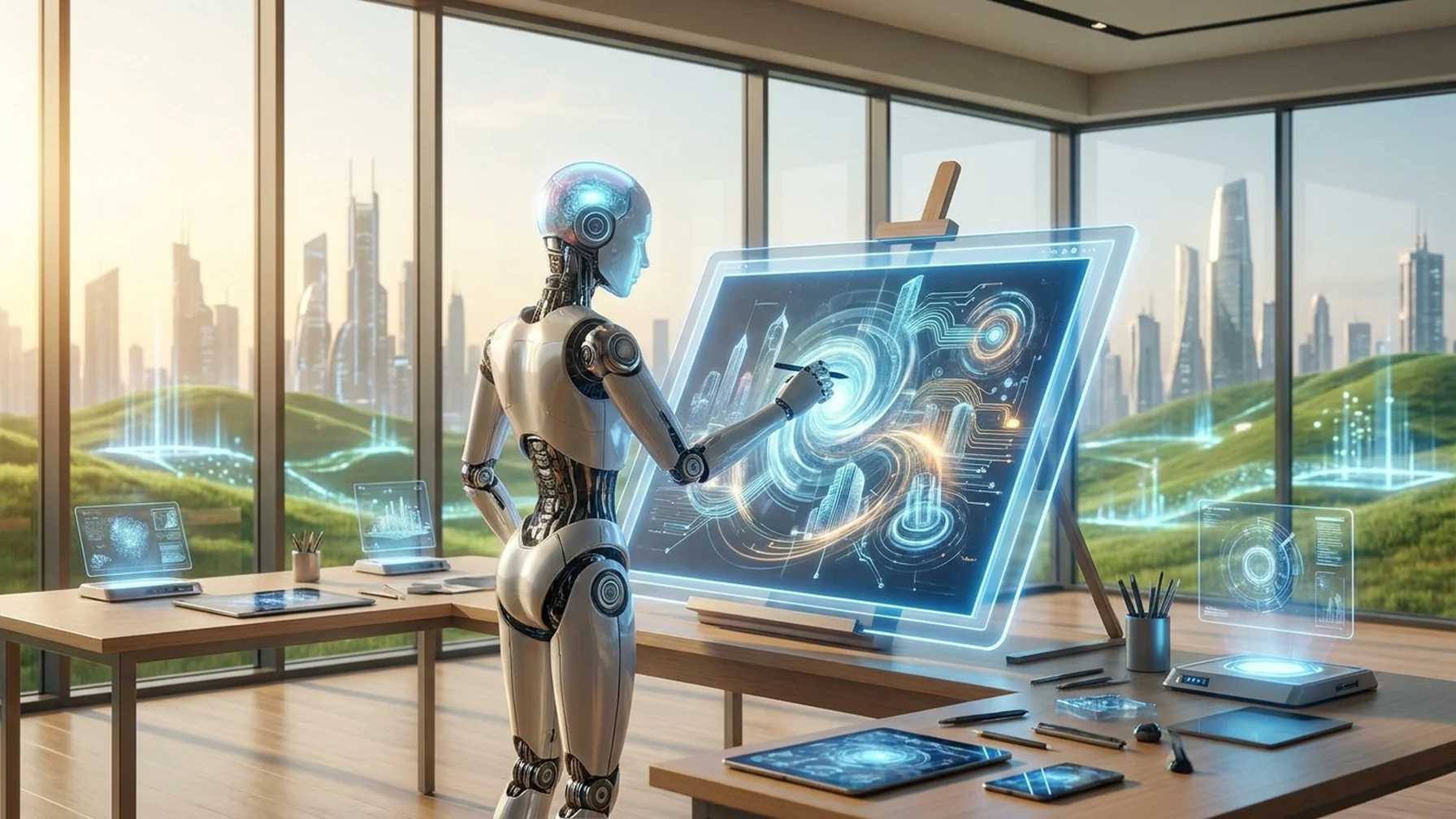
Exploring Artificial Intelligence in Creative Processes for Digital Art
Contents
Artificial intelligence has become a significant player in creative processes, especially in digital art. From enhancing traditional methods to pioneering new forms like AI-generated art, the integration of AI offers exciting possibilities. This article will explore the intersection of AI and digital art, focusing on key concepts and practical steps for beginners and seasoned artists alike.
Understanding Digital Art
Digital art is a form of art created using digital technology. It encompasses various styles and techniques, from digital painting to 3D modeling. Artists use software and tablets to create works that can range from simple sketches to complex animations. One of the attractions of digital art is its versatility and the ability to easily edit and manipulate images.
How to Start Creating Digital Art
Getting started with digital art involves a few essential steps that guide beginners through the basics:
- Choose the right software: Popular choices include Adobe Photoshop, Corel Painter, and Clip Studio Paint.
- Get the right equipment: A good drawing tablet like the Wacom Intuos can make a big difference.
- Learn the basics of digital painting and sketching: Many online tutorials can help you get started.
- Practice regularly: Like any art form, practice is key to improving your skills.
Starting with digital art might seem challenging, but with the right tools and dedication, you can quickly develop your own style and technique. Consider comparing the features of different software to find what suits you best.
AI in Various Creative Fields
This table showcases various ways artificial intelligence is being integrated into creative processes across different fields. Each entry highlights the area of creativity and the corresponding AI application that enhances or transforms traditional methods.
| Creative Field | AI Application |
|---|---|
| Visual Arts | AI-generated artwork (e.g., DeepArt, DALL-E) |
| Music | AI composition tools (e.g., AIVA, Amper Music) |
| Writing | AI-assisted writing platforms (e.g., Grammarly, Jasper) |
| Fashion Design | AI trend forecasting and design generation (e.g., Stitch Fix) |
| Film | AI editing software and script analysis (e.g., ScriptBook) |
The table illustrates the diverse contributions of AI across creative domains, showcasing the technology's ability to mimic human creativity and its potential to expand the boundaries of artistic expression. Through collaboration with AI, artists and creators can explore new forms of innovation and efficiency in their work.
What is Generative Art?
Generative art involves using algorithms to generate artwork. This form of art relies on a set of rules and parameters defined by the artist to create pieces that can be both unpredictable and unique. AI plays a crucial role in generative art by enabling complex computations and variations that would be difficult to achieve manually.
How to Make AI Art
Creating AI art typically involves using AI tools that generate images based on input data. Here’s a basic guide to getting started:
- Select AI software: Tools like DeepArt or Artbreeder are popular choices.
- Input your data: This can be an initial image or a set of parameters that the AI will use to generate art.
- Refine the output: Many tools allow you to tweak the settings and refine the final image.
- Experiment with different styles: AI art tools often support a range of artistic styles and techniques.
Creating AI art can be a fascinating process, offering endless possibilities for experimentation and creativity.
What is Creative Coding?
Creative coding refers to the use of programming languages to create visual art, music, and interactive installations. It combines the logic of coding with the expressive potential of art. Artists often use languages like Processing or p5.js to create interactive pieces that respond to viewer input or environmental data.
Best Software for Digital Art
Choosing the right software can significantly impact your digital art journey. Here are some of the best options available:
- Adobe Photoshop: A versatile tool for photo editing and digital painting.
- Corel Painter: Known for its realistic brushstrokes and textures.
- Clip Studio Paint: Favored by comic and manga artists for its specialized features.
Each software offers unique features suited to different styles and techniques, so it's worth experimenting to find what works best for you.
How to Sell Digital Art
Selling digital art involves both showcasing your work and finding the right platforms. Here's how to start:
- Build an online portfolio: Platforms like Behance or DeviantArt can help showcase your work.
- Choose a marketplace: Websites like Etsy and Redbubble allow artists to sell prints and digital downloads.
- Engage with your audience: Social media can be a powerful tool for building a following and promoting your work.
- Consider NFTs: Non-Fungible Tokens are a new way to sell digital art, offering a unique ownership experience.
Successfully selling digital art requires both creativity and an understanding of the market, but it can be a rewarding venture.
Digital Art vs. Traditional Art
While digital art offers flexibility and ease of correction, traditional art provides a tactile experience that some artists prefer. Both forms have their unique advantages, and many artists find value in exploring both to broaden their skills and creative expression.
Conclusion: Embracing AI in Creative Processes
The integration of artificial intelligence in creative processes is reshaping the landscape of digital art. Whether you're a beginner exploring digital painting or an experienced artist experimenting with AI art, the tools and techniques available today offer endless opportunities for creativity. By understanding and embracing these technologies, artists can push the boundaries of traditional art and discover new forms of expression.