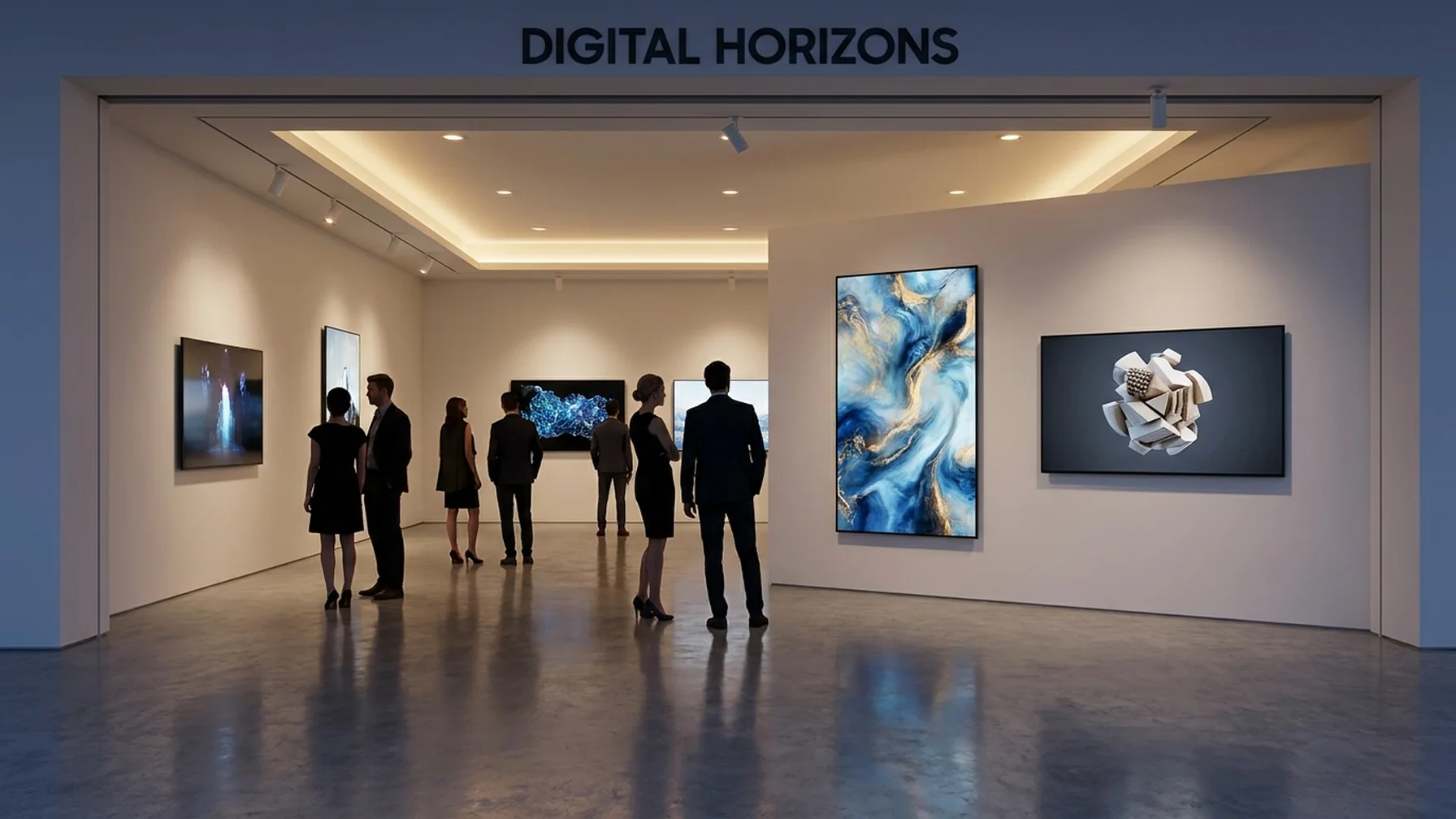
The Essentials of Digital Art Curation: Strategies and Insights
Contents
Digital art curation involves selecting, organizing, and presenting digital artworks in a way that highlights their unique qualities and broadens their audience. As technology evolves, so does the significance of digital art curation, which plays a critical role in showcasing innovation and diversity in contemporary art. By curating digital art, curators help shape the narrative around these works, ensuring a variety of styles and voices are represented. This article delves into fundamental aspects of digital art curation, offering insights into the tools, techniques, and strategies that define this vibrant field.
Defining Digital Art Versus Traditional Art
Digital art is created using digital technology and includes forms such as digital paintings, illustrations, and 3D models. Unlike traditional art, which relies on physical mediums like paint and canvas, digital art is crafted using software and digital tools. This allows for unique possibilities like instant corrections and seamless layering of images. Artists like Beeple, whose digital collage "Everydays: The First 5000 Days" sold for $69 million, highlight the impact and potential of digital art.
While digital art offers technological advantages, traditional art provides tactile satisfaction and authenticity. Both mediums cater to different preferences and have distinct benefits:
- Digital art allows for complex animations with ease, as seen in Pixar's films.
- Traditional art offers a tangible, one-of-a-kind experience.
Artists must consider these factors when choosing their medium, balancing the allure of digital flexibility with the authenticity of traditional methods.
Steps in Digital Art Curation
A structured approach enhances the effectiveness of digital art curation. Here are essential steps to follow:
- Define your curation goals and audience.
- Gather and organize digital artworks from various sources.
- Evaluate and select artworks aligned with your vision.
- Design an engaging presentation or platform for showcasing the pieces.
- Promote the curated collection to reach a wider audience.
By adhering to these steps, curators can create meaningful collections that resonate with viewers, enriching the art community and fostering connections between artists and audiences.
Key Tools for Creating Digital Art
Creating digital art requires specific tools and software that cater to different artistic needs. Popular options include:
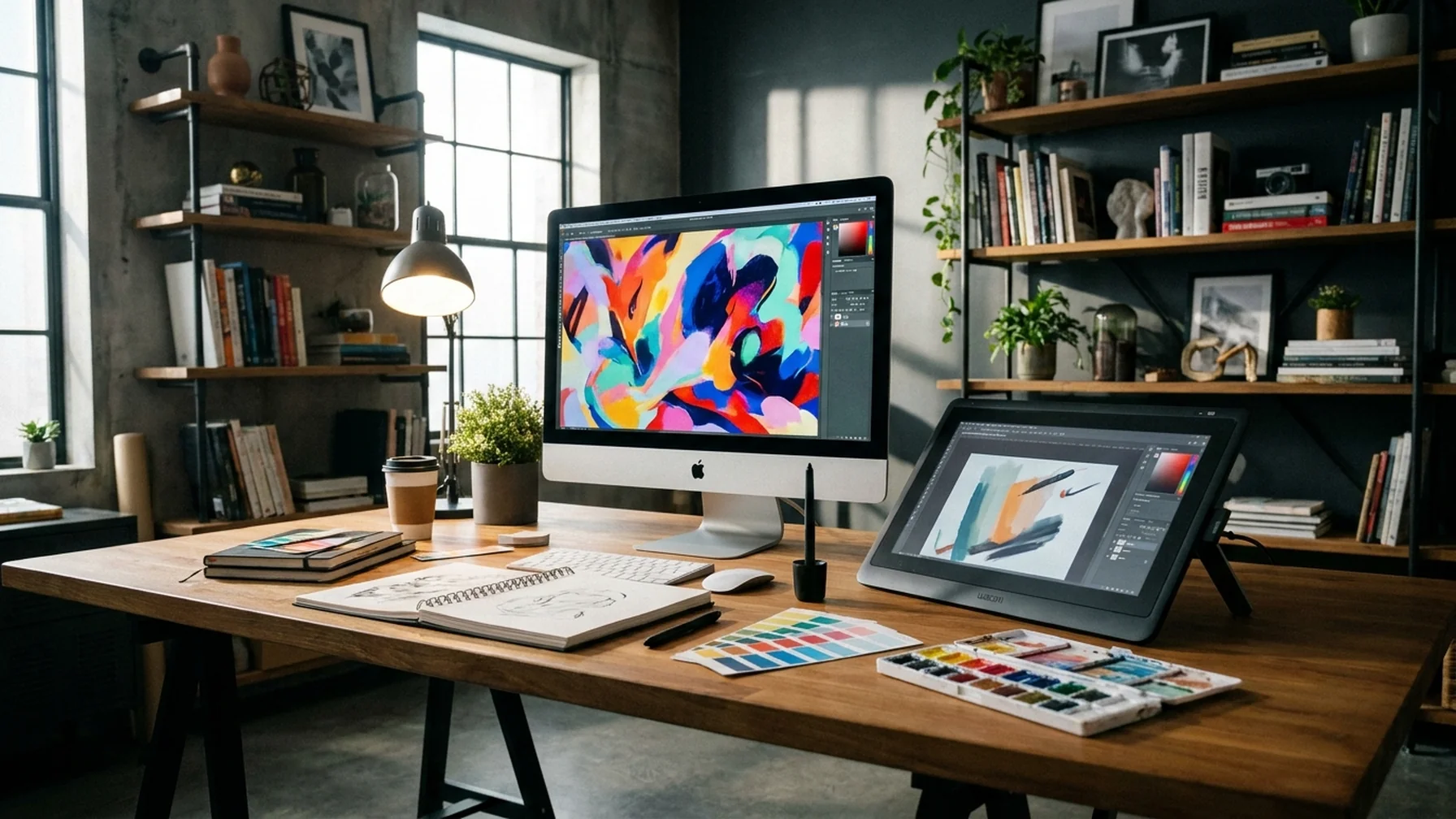
- Software: Adobe Photoshop, Corel Painter, and Procreate are top choices, offering a variety of brushes, effects, and features. For instance, Procreate's brush engine creates lifelike textures, while Photoshop's layering system supports complex compositions.
- Tablets: Devices like the Wacom Intuos and iPad Pro provide precision and control. The Apple Pencil, used with the iPad Pro, offers a natural drawing experience similar to traditional media.
With the right tools, artists can explore digital painting, drawing, and animation, expanding their creative horizons. For example, artist Loish uses a Wacom Cintiq for vibrant character designs, showcasing how digital tools bring artistic visions to life.
The Role of Generative and AI Art in Curation
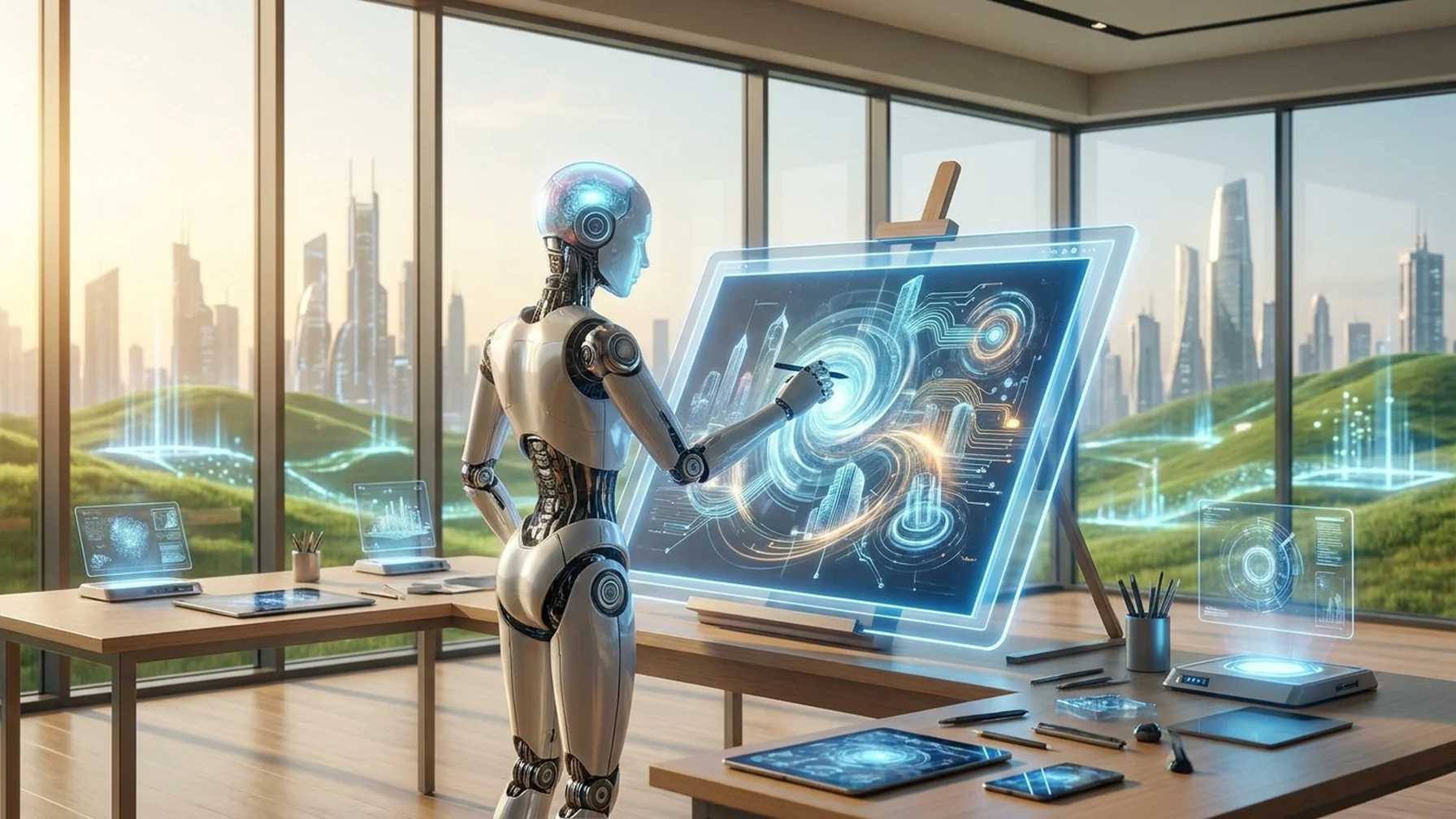
Generative art uses algorithms to create unique designs, while AI art employs artificial intelligence to autonomously generate artworks. These forms challenge traditional notions of authorship and creativity, offering new possibilities for digital art curation. For example, the AI-generated portrait "Edmond de Belamy" sold for $432,500, demonstrating the potential of AI art. Curators must consider these technologies when organizing exhibitions, as they present both challenges and opportunities.
Planning and Displaying Digital Art Exhibitions
Successful digital art curation requires strategic planning. Curators begin by defining the exhibition's theme, such as exploring digital art's relationship with social media. From there, suitable artworks are selected to align with the exhibition's goals. Curators must consider the narrative they wish to convey, along with the technical requirements of each piece.
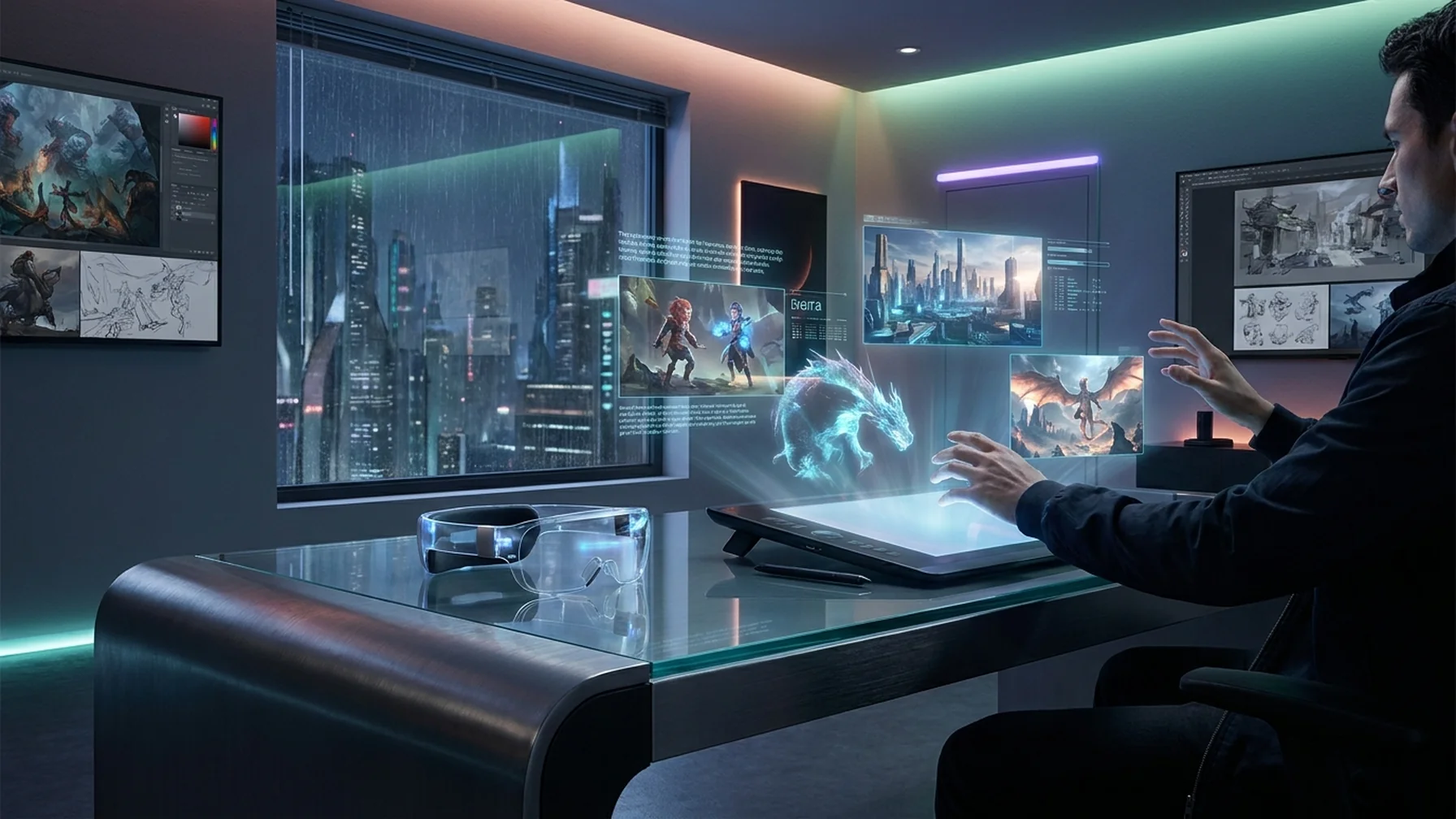
The exhibition layout is crucial, involving decisions on display methods, lighting, and viewer interaction. Digital exhibitions offer creative display opportunities, such as interactive installations or virtual reality experiences. For instance, the "Digital Revolution" exhibition at London's Barbican Centre showcased innovative digital installations, attracting public interest.
Engaging Audiences and Promoting Exhibitions
Engaging audiences through educational programs and marketing efforts enhances visitor experiences. Offering guided tours, workshops, and artist talks can deepen audience understanding of digital art. Social media is a powerful tool for reaching broader audiences and generating buzz around exhibitions. By following these strategies, curators can create impactful digital art exhibitions that resonate with audiences and reflect current artistic trends.
Digital Art Curation: Challenges and Solutions
Curating digital art comes with challenges, such as underestimating the time needed to organize and catalog works. Curators might overlook the importance of metadata, complicating the management of large collections. Additionally, failing to consider diverse digital art forms like VR and AR can hinder exhibition success. To avoid these pitfalls, curators should develop detailed plans, including timelines and resource allocations. Engaging with interdisciplinary teams can offer valuable insights into emerging trends and technologies.
Integrating NFTs into Digital Art Curation
Non-fungible tokens (NFTs) have revolutionized how digital art is bought and sold, providing a way to verify ownership and create value in a medium otherwise infinitely replicable. This innovation opens new opportunities for artists and curators. For instance, Pak's NFT project "The Merge" generated over $91 million in sales. Curators must incorporate NFTs into exhibitions, as they represent a significant shift in art valuation and exchange.
Conclusion: The Future of Digital Art Curation
Digital art curation is evolving with technology, offering exciting possibilities for artists and curators. As digital art grows in popularity, understanding its nuances and tools is essential. Whether you're an artist, curator, or enthusiast, staying informed and adaptable ensures you remain at the forefront of this dynamic field. The integration of emerging technologies, such as AI and blockchain, promises to transform digital art curation further, paving the way for innovative approaches and new artistic expressions.