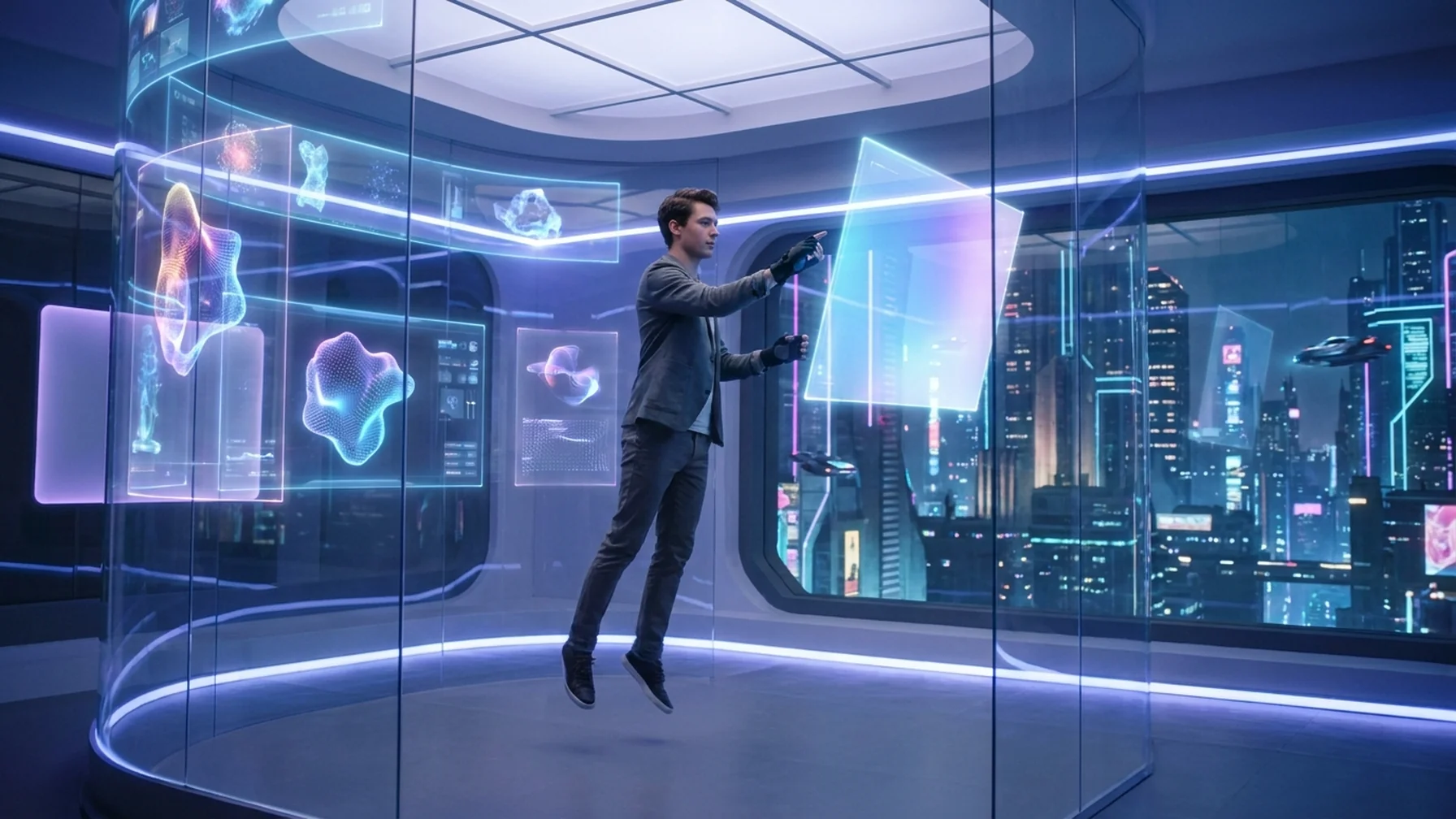
The Future of Digital Art: Exploring Emerging Trends and Technologies
Contents
Digital art has revolutionized the creative landscape, offering artists new tools and platforms to express their ideas. As we look towards the future of digital art, it's important to understand its various facets and how emerging technologies are shaping this dynamic field. This article delves into what digital art is, explores key trends like AI art and NFTs, and offers insights for aspiring digital artists.
Understanding Digital Art
Digital art refers to artwork created or enhanced using digital technology. It encompasses a wide range of practices from digital painting to 3D modeling. Unlike traditional art, digital art offers artists the ability to experiment without the constraints of physical materials. This flexibility has opened the door to new creative possibilities.
How to Start Creating Digital Art
For beginners interested in digital art, starting might seem daunting, but with the right tools and guidance, it can be an exciting journey. Here's a simple guide to get you started:
- Choose Your Software: Popular options include Adobe Photoshop, Procreate, and Krita. Each offers unique features suited to different styles and preferences.
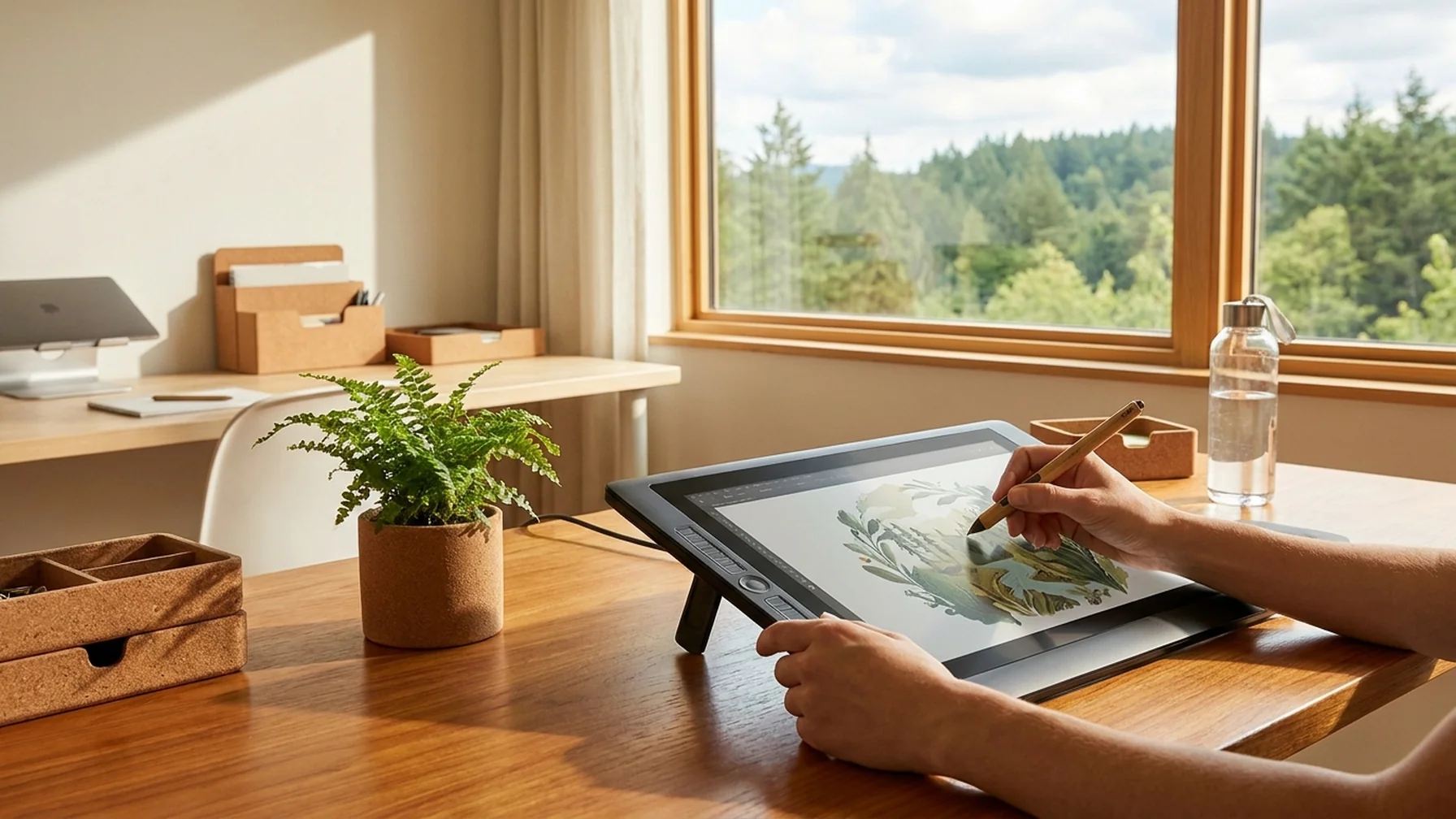
- Select the Right Hardware: A good tablet like the Wacom Intuos or iPad Pro can enhance your digital drawing experience.
- Learn the Basics: Familiarize yourself with basic digital drawing techniques through online tutorials and practice regularly.
Over time, as you develop your skills, you'll find your unique style and niche within the digital art world.
The Rise of Generative and AI Art
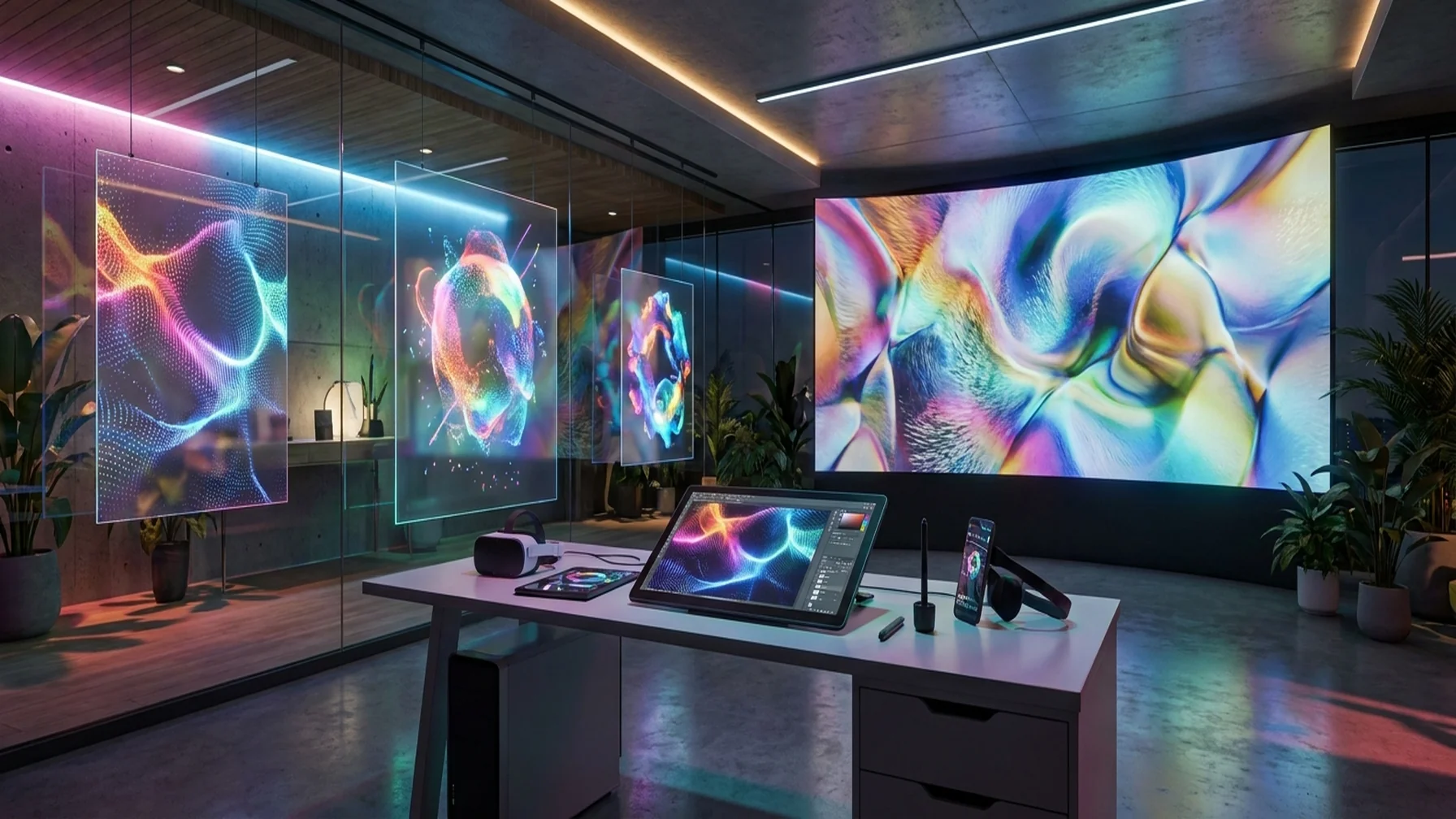
Generative art and AI art are reshaping the digital art scene by introducing automation into creativity. Generative art uses algorithms to generate artworks, often resulting in unexpected and complex patterns. AI art, on the other hand, involves using artificial intelligence to create or assist in the art-making process. These technologies are expanding the boundaries of what is possible in art.
Selling and Pricing Your Digital Art
Once you have developed a body of work, you might consider selling your digital art. Here are some steps to help you monetize your creations:
- Create a Portfolio: Showcase your best work on platforms like Behance or DeviantArt.
- Choose a Marketplace: Websites like Etsy, Redbubble, and ArtStation allow you to sell prints and digital downloads.
- Set Your Prices: Consider the time, effort, and uniqueness of your work when pricing. Research similar artworks to get an idea of market rates.
With persistence and the right marketing, you can turn your passion for digital art into a viable source of income.
Exploring NFTs: A New Frontier
Non-Fungible Tokens (NFTs) have become a hot topic in digital art. NFTs are unique digital assets stored on a blockchain, allowing artists to sell their digital works as one-of-a-kind items. This technology offers new ways for artists to monetize their digital creations and connect with collectors.
Digital Art vs. Traditional Art
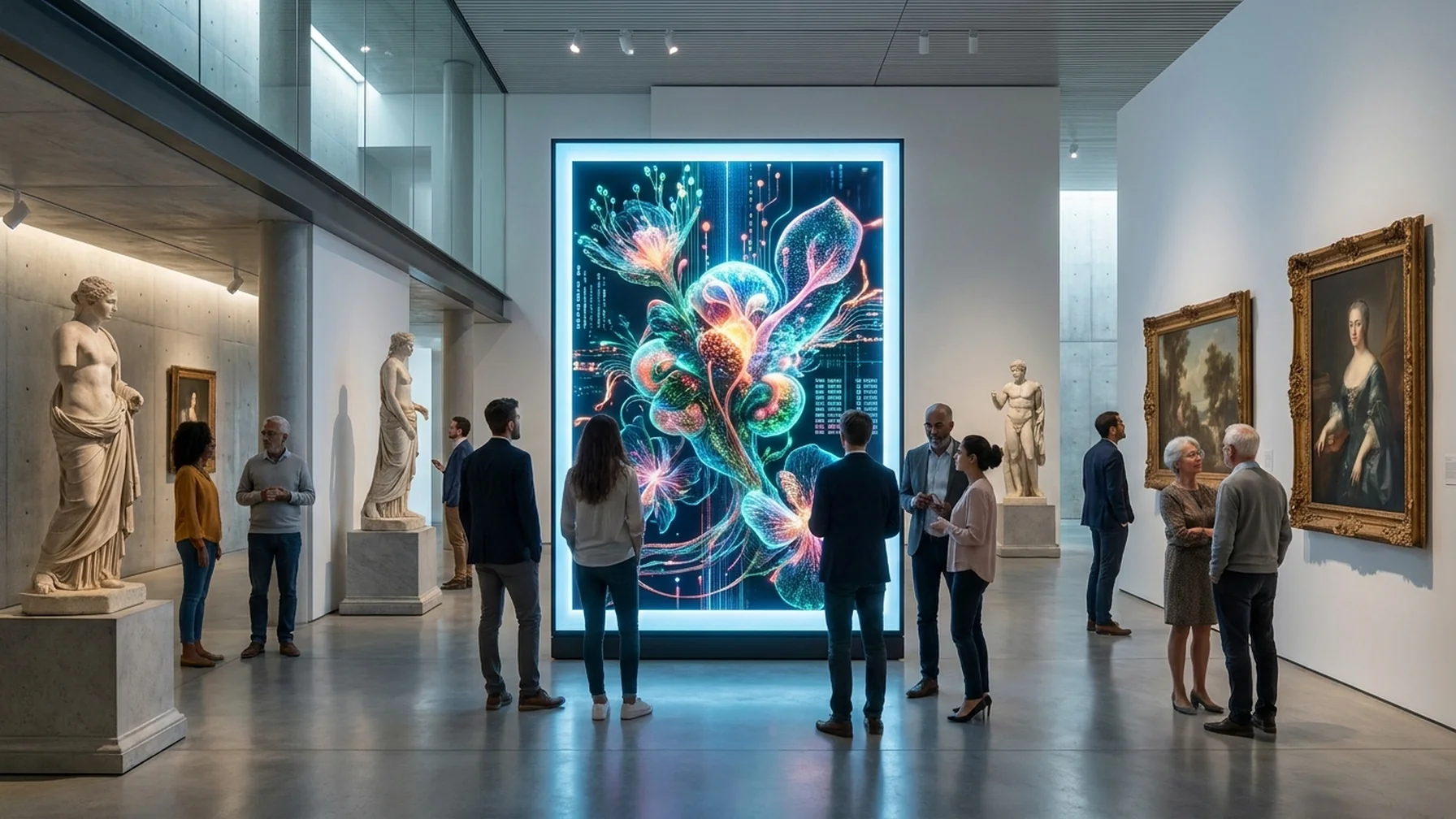
While digital art offers many advantages such as ease of editing and unlimited materials, traditional art retains its appeal for its tactile qualities and historical significance. Many artists blend both methods to create hybrid works, enjoying the best of both worlds.
Becoming a Digital Artist
If you're passionate about digital art, becoming a professional digital artist involves dedication and continuous learning. Here are some tips to guide you:
- Develop Your Skills: Regular practice and experimenting with different styles are key to growth.
- Network: Connect with other artists through social media and art communities to share ideas and gain feedback.
- Stay Updated: Keep abreast of new tools and technologies that could enhance your work.
With these strategies, you can build a successful career in the ever-evolving field of digital art.
The Role of Creative Coding and Procedural Generation
Creative coding involves using programming to create art, often resulting in interactive and dynamic pieces. Procedural generation, a related concept, uses algorithms to automatically generate content. Both are powerful tools for artists looking to push the boundaries of digital art.
The future of digital art is bright, driven by technological advancements and the creativity of artists worldwide. Whether you're a beginner or an experienced artist, there's always something new to explore in this fascinating field.