Exploring the Digital Art Career Path: A Comprehensive Guide
Contents
The digital art career path is an exciting journey that combines creativity with technology. As the digital world expands, so do opportunities in this dynamic field. Digital art encompasses a wide range of practices, from creating digital paintings to producing complex generative art with algorithms. With the rise of digital platforms and the growing demand for digital content, artists can now reach global audiences like never before. Whether you are a budding artist or a seasoned professional looking to transition into digital mediums, understanding the scope and opportunities in digital art is crucial. This guide will help you navigate this vibrant landscape, providing insights into the various facets of digital art and how you can build a successful career in it.
Understanding Digital Art
Digital art refers to artistic works created or presented using digital technology. This includes anything from digital paintings to generative art, where algorithms play a role in the creative process. Digital art can take many forms, each with its unique style and medium.
- Digital Painting: Using software to emulate traditional painting techniques.
- Generative Art: Art created with the use of autonomous systems, like algorithms.
- AI Art: Art generated by artificial intelligence, often involving machine learning.
- Procedural Generation Art: Art created by defining a process that can produce art autonomously.
- Creative Coding: Using programming to create visual art.
Each type of digital art offers unique opportunities for creativity and innovation. For instance, digital painting can mimic the look of watercolors or oil paints without the mess, making it popular for illustrators and concept artists. Generative art, on the other hand, can produce complex and intricate patterns that are virtually impossible to achieve manually, opening new avenues for creative expression. Choosing one or more to focus on can help define your career path in digital art.
How to Start Making Digital Art
Embarking on a digital art career begins with learning how to create digital art. Here's a step-by-step guide to get you started:
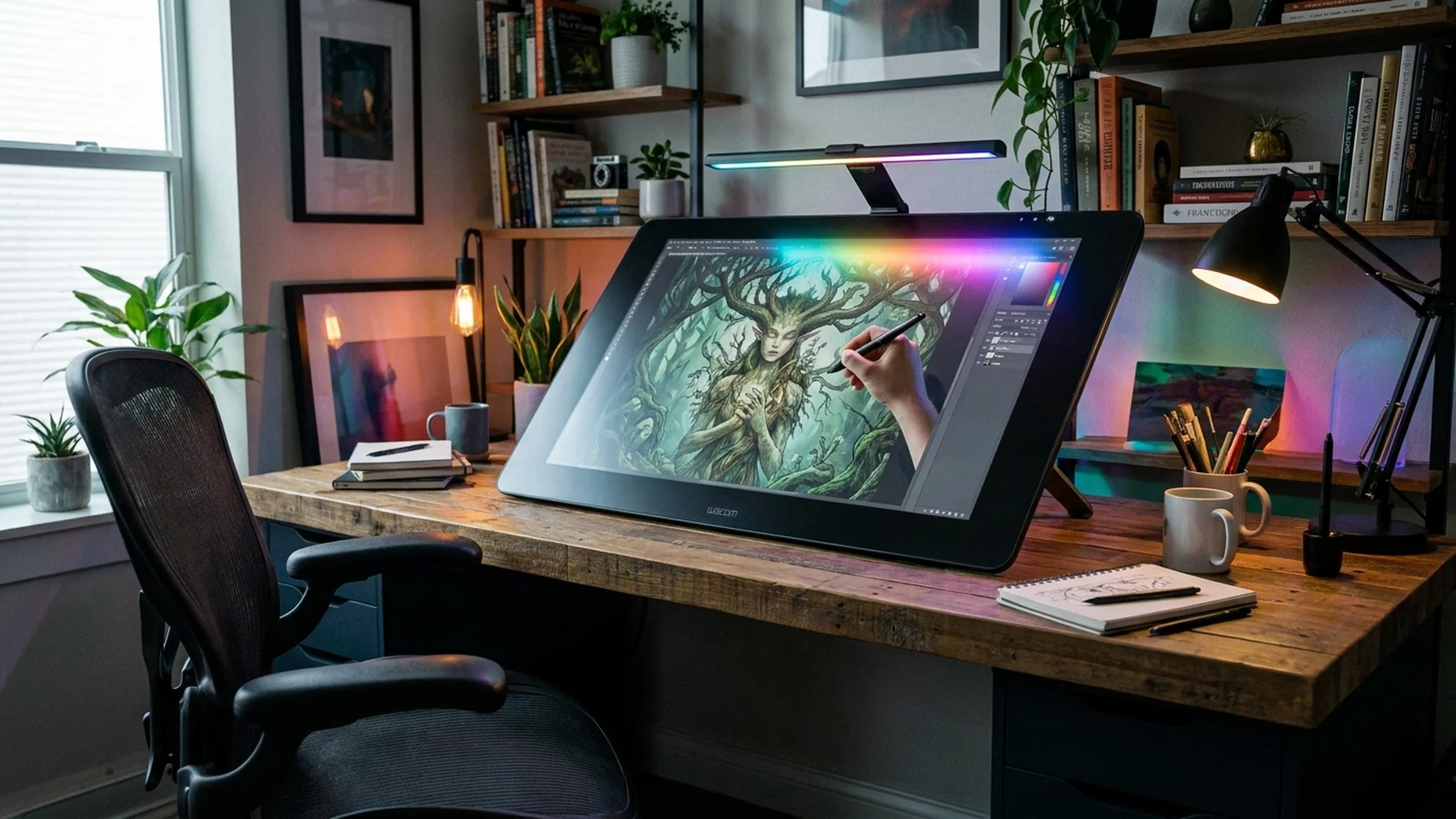
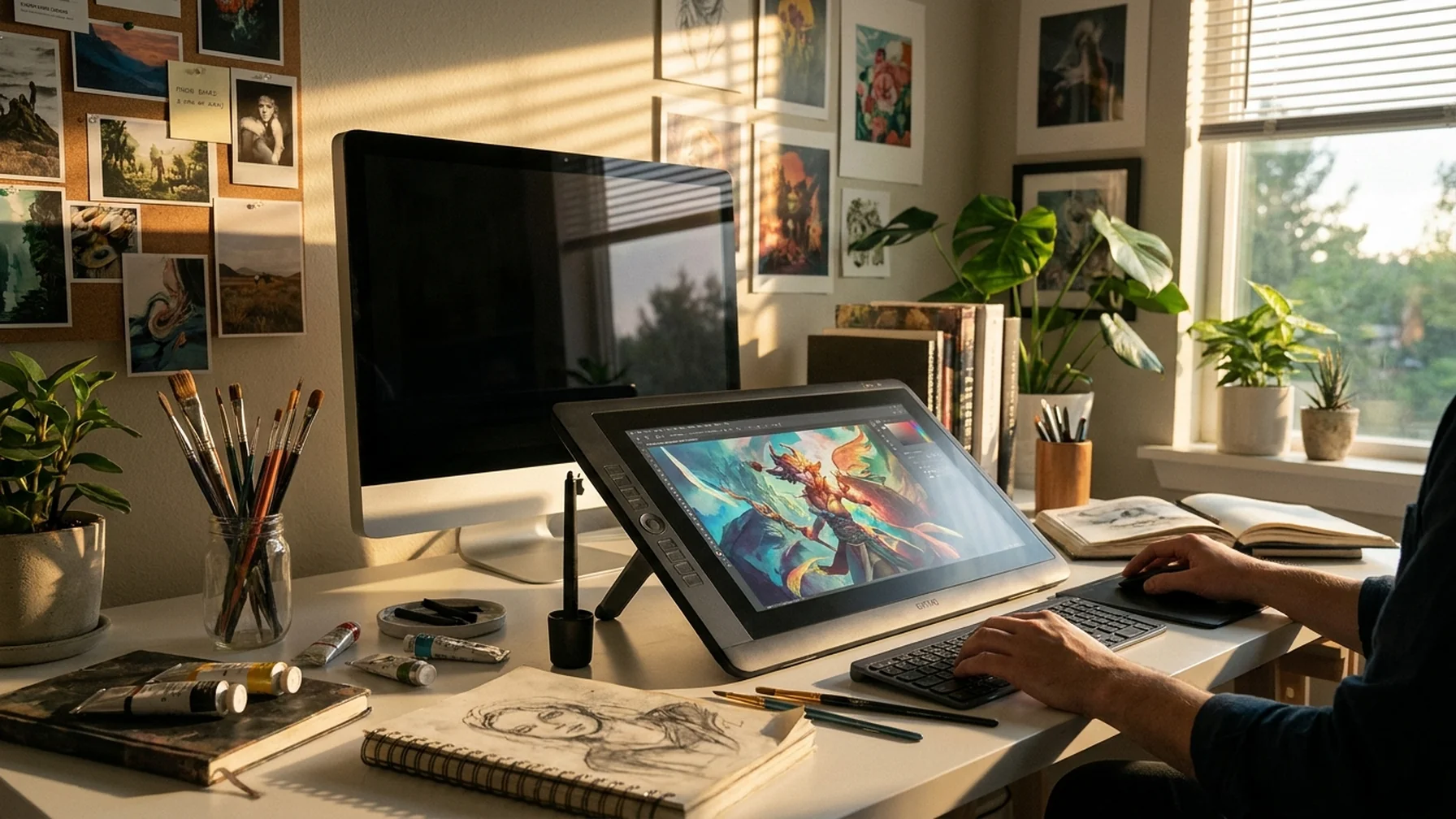
- Acquire the Right Tools: Invest in a good-quality tablet and stylus. Tablets like the Wacom and iPad Pro are popular for digital artists.
- Choose Your Software: Popular digital art software includes Adobe Photoshop, Procreate, and Corel Painter. Each offers unique features catering to different styles and preferences.
- Learn the Basics: Start with tutorials and online courses to understand the software and techniques for digital painting.
- Experiment and Practice: Regular practice is key. Try different styles and techniques to find what you enjoy most.
- Build a Portfolio: As you create, compile your best works to showcase your skills and style.
A practical example of starting in digital art is the story of an artist who began with simple sketches on a tablet and, over time, mastered digital painting techniques through consistent practice and online courses. This artist now works as a freelance illustrator, creating artwork for books and games. With dedication and practice, you'll soon develop your unique style and improve your digital art skills.
Exploring AI Art and Creative Coding
AI art and creative coding are two exciting areas within digital art. AI art involves using artificial intelligence to create artworks, often resulting in unexpected and innovative pieces. Creative coding uses programming as a medium for art, allowing artists to create interactive and dynamic works.
Both fields require a blend of artistic talent and technical skills, offering unique opportunities for those interested in technology and art. For example, an artist may use AI to generate abstract art pieces that evolve over time, while another may employ creative coding to develop an interactive installation that responds to viewers' movements. These technologies are transforming how art is created and experienced, offering a rich playground for experimentation.
Selling Digital Art
Once you've honed your skills, selling digital art can be a rewarding way to earn a living. Here are some tips for getting started:
- Choose a Platform: Platforms like Etsy, Redbubble, and ArtStation allow you to sell prints or digital downloads.
- Understand Your Market: Research what type of art is popular and what price points are competitive.
- Price Your Art: Consider the time spent, the complexity of the work, and what your audience is willing to pay.
- Create NFTs: Non-fungible tokens (NFTs) offer a way to sell digital art as unique, collectible items.
For instance, one digital artist successfully sells unique digital portraits by leveraging social media platforms to reach a broad audience. They regularly post their artwork, engaging with followers to build a community. Marketing your art effectively is crucial. Use social media and art communities to reach potential buyers and showcase your work.
Digital Art vs. Traditional Art
Digital art and traditional art each have their strengths and appeal. Digital art offers flexibility and ease of editing, while traditional art provides tangible textures and a different tactile experience. Many artists find that integrating both forms enhances their creative process and broadens their artistic capabilities.
Consider an artist who starts with pencil sketches and later transforms them into digital paintings, combining the best of both worlds. This hybrid approach allows for creative flexibility and can lead to unique artistic expressions that stand out in the market.
Becoming a Digital Artist
To become a successful digital artist, start by developing your skills and building a strong portfolio. Networking with other artists and participating in online communities can provide support and inspiration. Continuous learning is key, as technology and software continually evolve.
Take the example of a digital artist who began by joining online forums and attending virtual workshops. Through these platforms, they collaborated with other artists and gained exposure to various styles and techniques. The digital art career path is rich with opportunities for those willing to explore and innovate. With the right tools, dedication, and creativity, you can carve out a rewarding career in digital art.
Deep Dive: Strategy for a Digital Art Career Path
Developing a strategy for your digital art career path involves several key steps that can help you achieve your goals. Here’s a detailed roadmap:
- Set Clear Goals: Define what you want to achieve in your digital art career. Are you aiming to work as a freelance artist, or are you interested in a studio position? Setting clear goals will guide your efforts.
- Create a Learning Plan: Identify the skills you need to develop further. This could include mastering new software, learning advanced techniques, or understanding art marketing.
- Network Actively: Join online art communities, attend webinars, and participate in workshops to connect with other artists and industry professionals. Networking can lead to collaborations and job opportunities.
- Stay Updated: The digital art industry is constantly evolving. Keep up with new trends, tools, and technologies by following industry news and engaging with the art community.
- Seek Feedback: Regularly share your work with peers, mentors, or online communities to receive constructive feedback. This input is invaluable for growth and improvement.
For instance, a digital artist might set a goal to become proficient in 3D modeling. To achieve this, they could enroll in specific online courses, connect with 3D artists through social media platforms, and actively participate in 3D art forums. By following a structured approach, you can effectively navigate the digital art career path and achieve your professional aspirations.
Digital Art Career Path: Common Mistakes and Solutions
Embarking on a digital art career can be challenging, and avoiding common pitfalls is essential. Here are some mistakes to watch out for and how to overcome them:
Neglecting Skill Development: Focusing solely on creating art without improving your skills can stagnate your growth. To avoid this, dedicate time each week to learning new techniques and experimenting with different styles.
Ignoring Marketing: Without marketing, even the best art can go unnoticed. Use platforms like Instagram and Twitter to showcase your work and connect with potential buyers. Building an online presence is crucial for success.
Underpricing Your Work: Pricing art too low can undermine your value and affect how potential buyers perceive your work. Research market rates and consider your time and expertise when setting prices.
For example, an artist who initially struggled with pricing learned to assess their work's value by comparing similar works in the market. They adjusted their pricing strategy accordingly, leading to better sales and recognition. By being aware of these common mistakes and proactively addressing them, you can set yourself up for success in the digital art world.