Exploring 3D Digital Art Techniques: A Comprehensive Guide
Contents
3D digital art techniques have revolutionized the creative landscape, providing artists with new dimensions to explore and express their ideas. From crafting stunning visuals to designing interactive experiences, understanding these techniques is essential for anyone venturing into digital art. This guide will introduce you to the essentials of 3D digital art, including the tools and methods that can help you start and succeed.
Understanding 3D Digital Art: An Overview
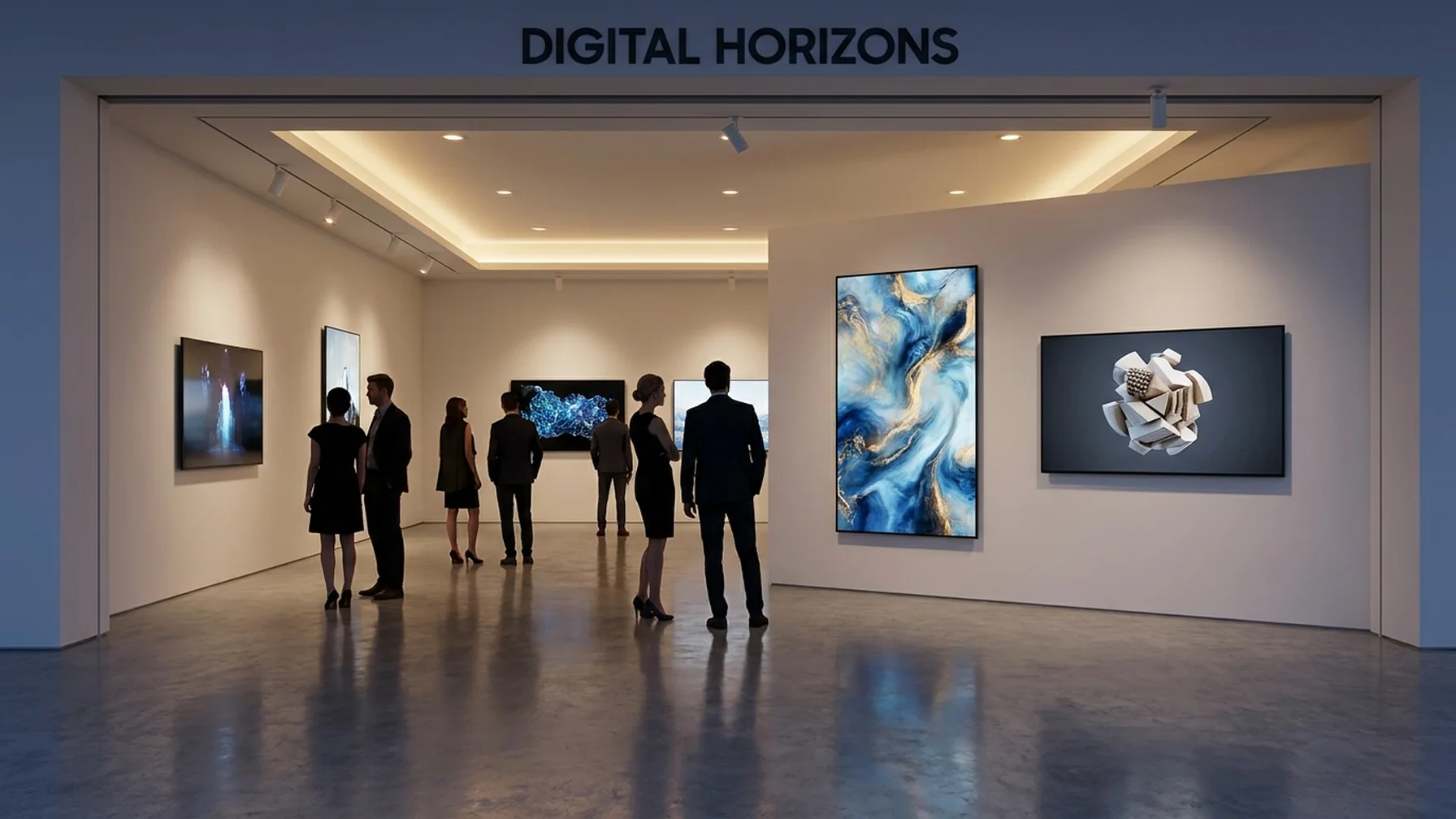
3D digital art involves using computer software to create artwork that allows for three-dimensional representation. Unlike traditional art, which often remains limited to two dimensions, 3D digital art adds depth, enabling artists to create realistic or fantastical worlds. This form of art is utilized in various industries, including video games, movies, and virtual reality applications.
Essential 3D Digital Art Techniques
To master 3D digital art, it's crucial to become familiar with key techniques. Each technique offers unique advantages and requires practice to master. Here are some foundational methods:
| Technique | Description | Popular Software |
|---|---|---|
| Modeling | Creating shapes and forms for 3D objects or scenes. | Blender, Autodesk Maya |
| Texturing | Adding color and detail to models for realism. | Substance Painter |
| Rendering | Generating the final image or animation with lighting, shadows, and reflections. | Various rendering engines |
| Animation | Making 3D models move to animate a scene. | Cinema 4D, 3ds Max |
Understanding these techniques is essential for anyone looking to delve deeply into the world of 3D digital art. Each technique plays a crucial role in creating compelling digital art and requires practice and patience to master.
Getting Started with 3D Digital Art
For beginners, stepping into the realm of 3D digital art can seem challenging. Here’s a simple guide to help you start:
- Choose Your Software: Start with user-friendly software like Blender, which is free and has a strong community for support.
- Learn the Basics: Familiarize yourself with the basic tools and functions. Online tutorials and courses can be incredibly helpful.
- Practice Regularly: Consistent practice is key. Set aside time each week to work on small projects to build your skills.
- Join a Community: Engage with online forums and groups to share your work, get feedback, and learn from others.
By following these steps, you can build a solid foundation in 3D digital art and gradually expand your skills.
Exploring Generative and AI Art
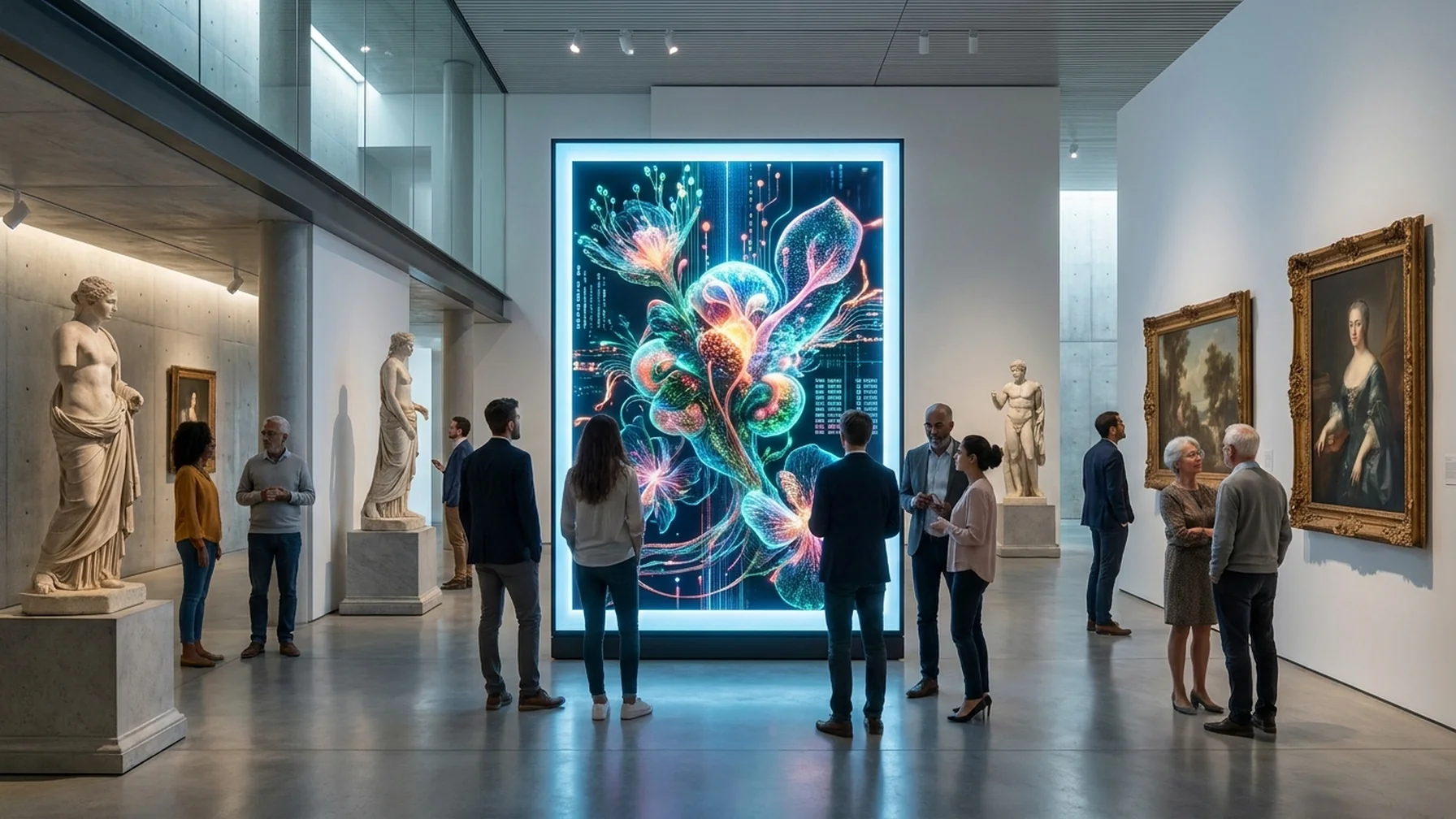
Generative art involves creating artwork through algorithms and mathematical patterns, often resulting in unique and complex designs that might be difficult to achieve manually. AI art uses artificial intelligence to assist or create art, sometimes autonomously. Both forms are gaining popularity, offering new ways for artists to express creativity.
Choosing the Best Tools for Digital Art
Selecting the right tools is crucial for success in digital art. Here are some recommendations for software and hardware:
- Software: Blender and Autodesk Maya for modeling, Substance Painter for texturing, and Adobe After Effects for post-processing.
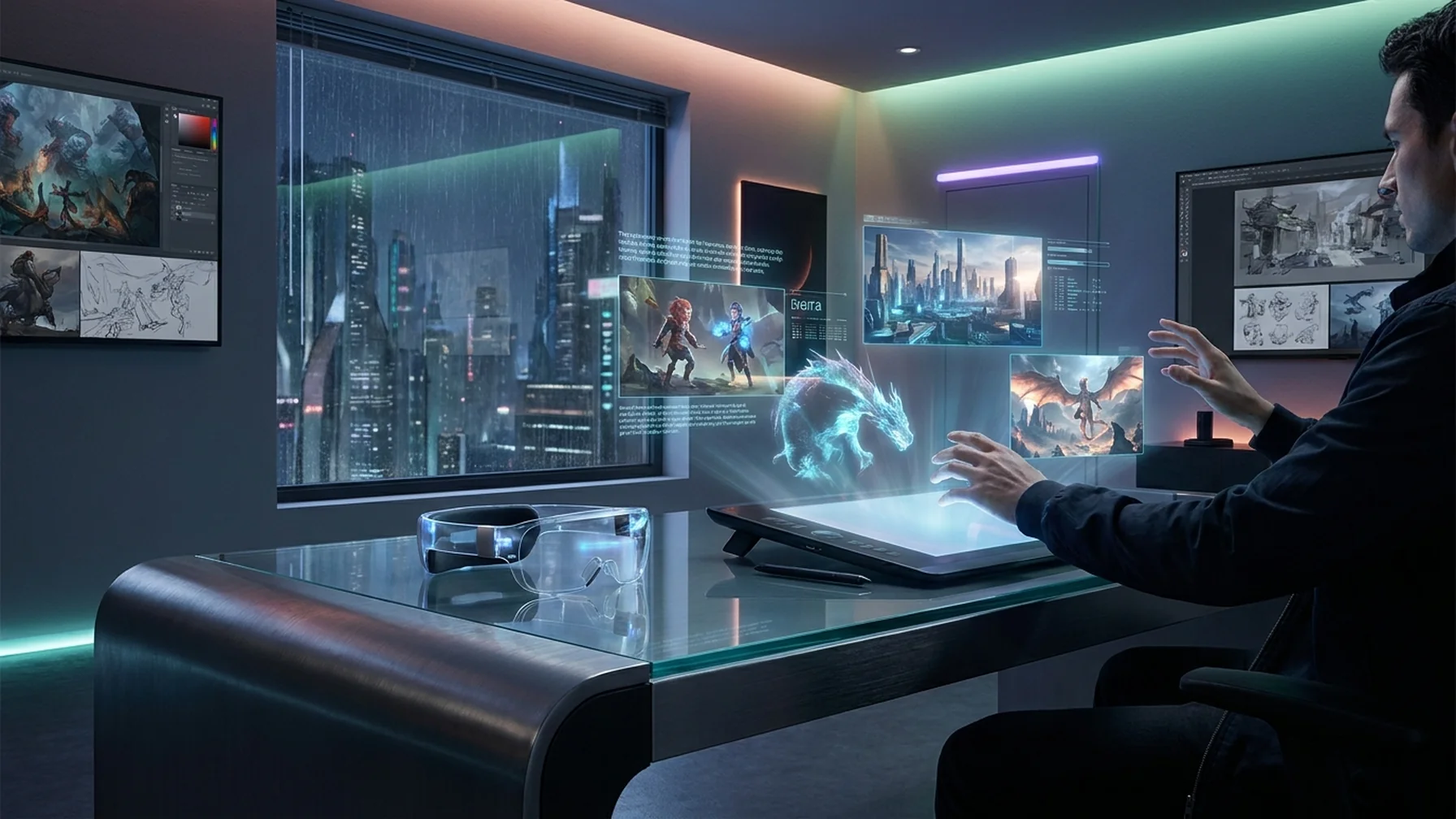
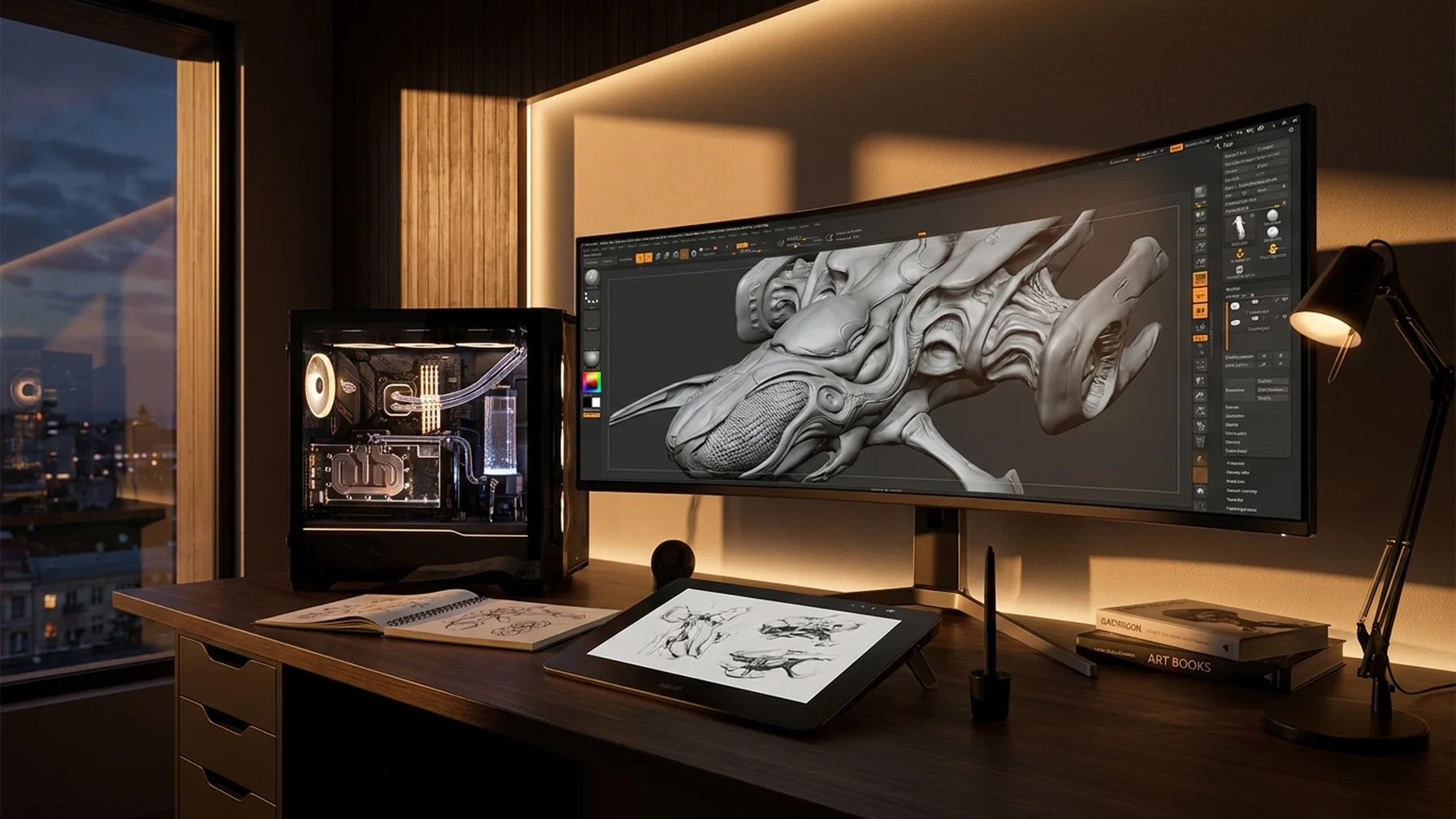
- Hardware: Consider investing in a graphics tablet like Wacom for more intuitive control. A powerful computer with a good graphics card is essential for handling complex projects.
These tools provide the flexibility and power needed to create professional-level 3D digital art.
Monetizing Your 3D Digital Art
Once you've honed your skills, you might want to monetize your art. Selling digital art can be done through various platforms, such as online marketplaces or by creating NFTs (Non-Fungible Tokens) for unique pieces. Here are some micro-examples of how to monetize:
- Online Marketplaces: Platforms like Etsy or ArtStation allow you to sell digital downloads or prints.
- NFTs: Create and sell NFTs on platforms like OpenSea or Rarible.
- Commissions: Offer personalized art services to clients, tailoring work to their needs.
- Merchandise: Print your art on products like apparel, mugs, or posters.
Understanding your audience and leveraging social media to showcase your work can significantly boost sales. Additionally, pricing your art involves considering the time spent, the complexity of the piece, and market demand.
Conclusion: Starting Your Journey in 3D Digital Art
Embarking on a journey into 3D digital art requires dedication and a willingness to learn. By mastering essential techniques and utilizing the right tools, you can create stunning art that captivates audiences. Whether you're a beginner or an experienced artist, the world of 3D digital art offers endless possibilities for innovation and expression.