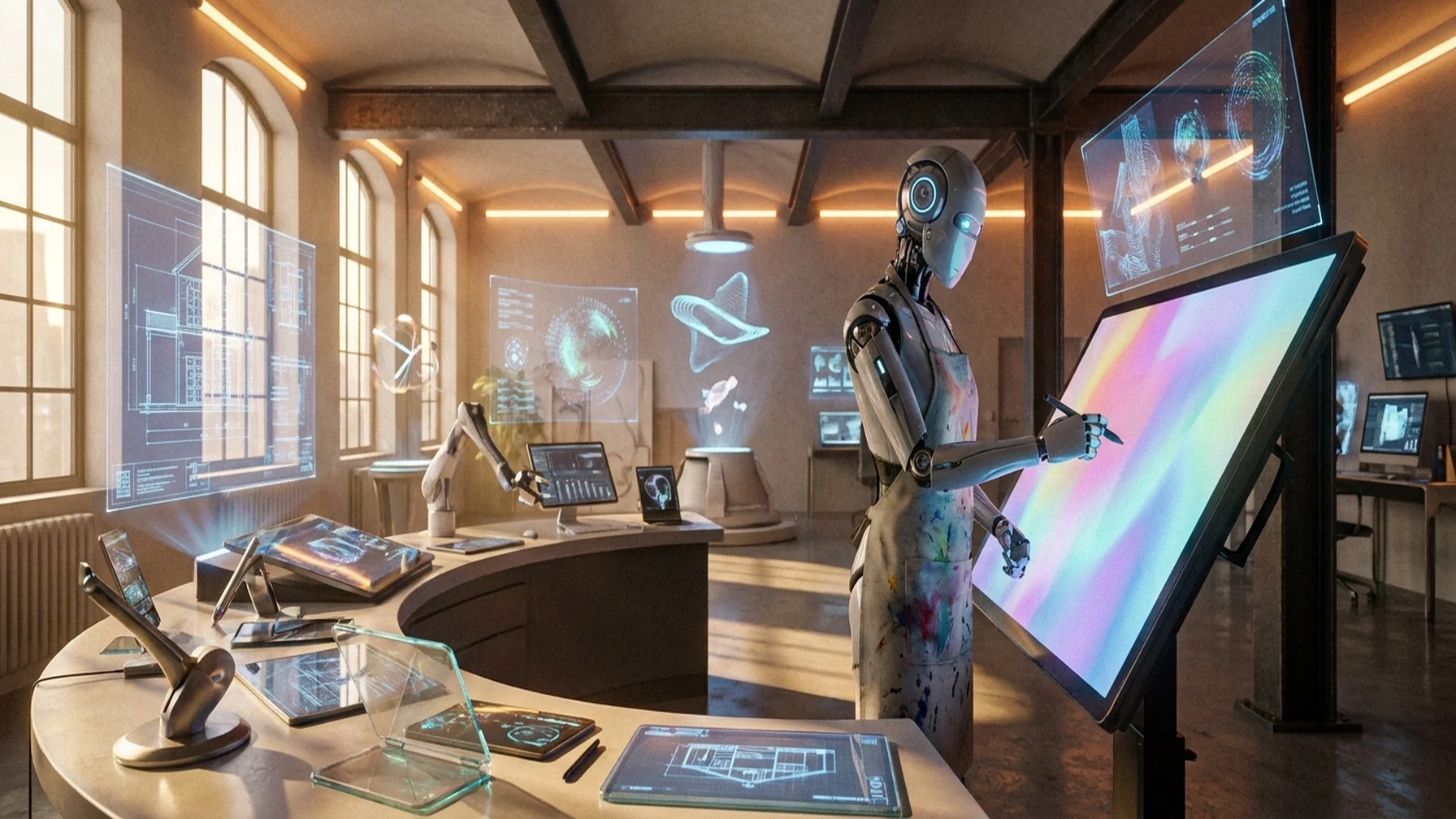
Creating Art with AI: A Beginner's Guide to Digital Art
Contents
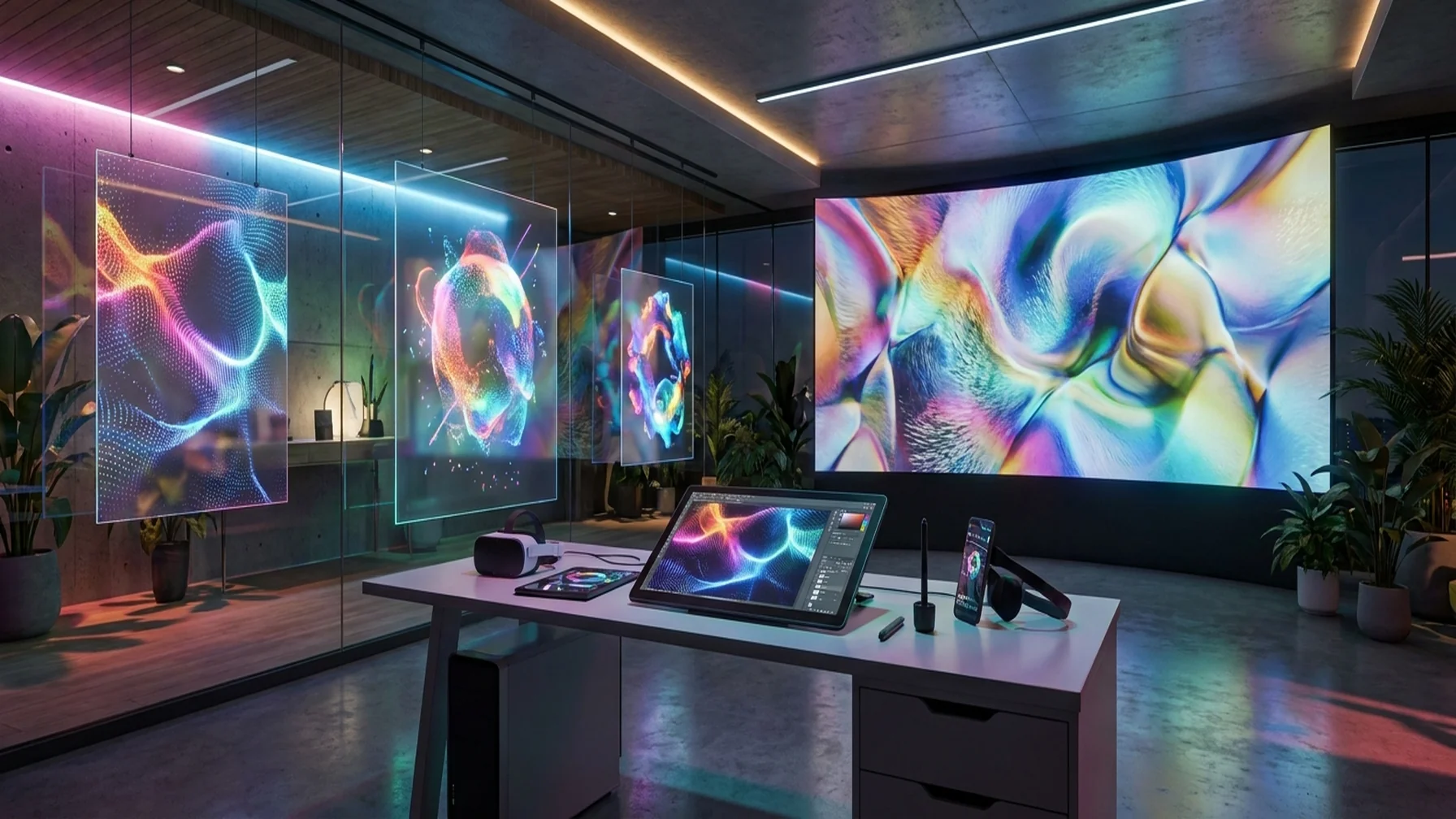
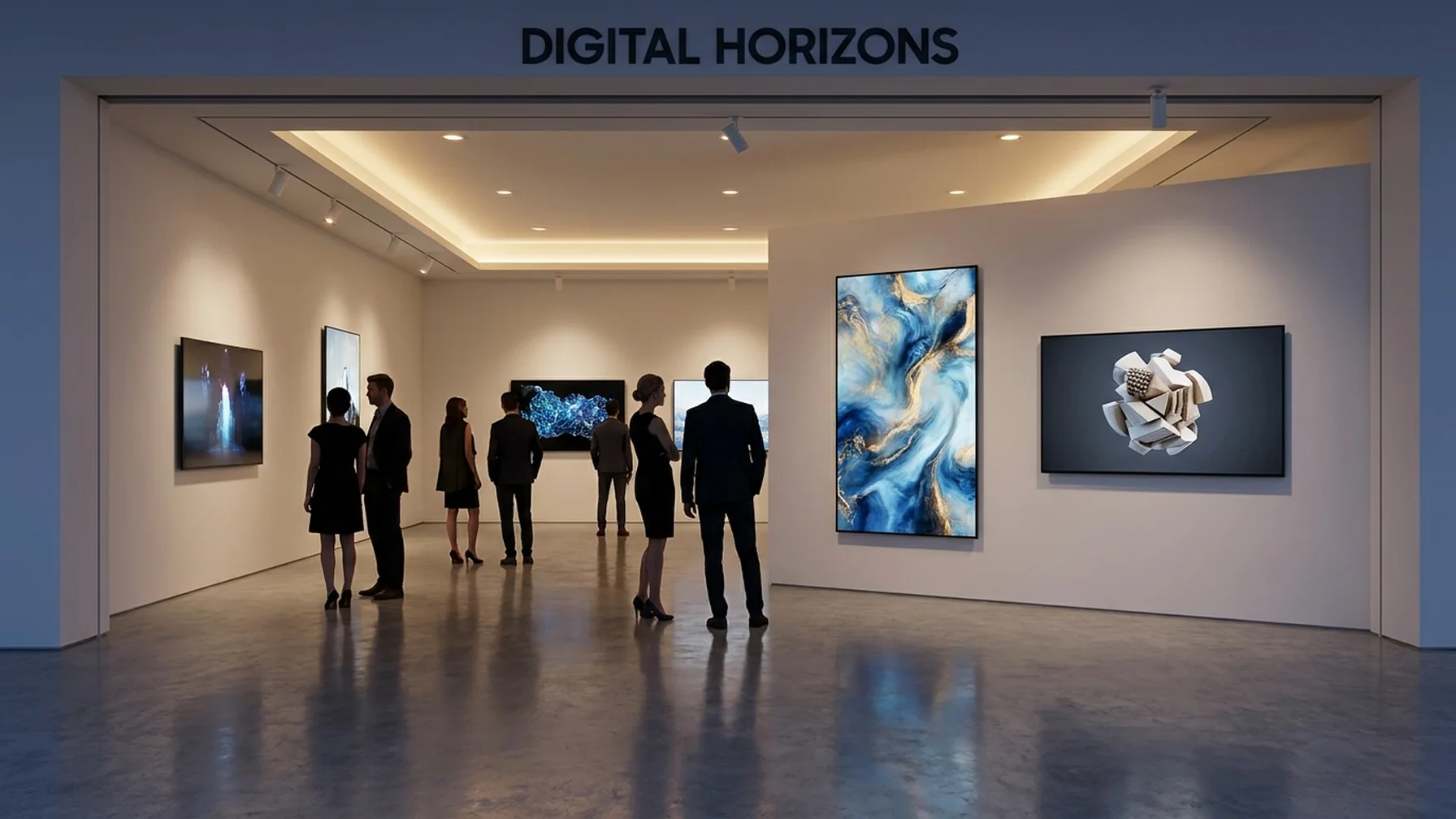
In recent years, creating art with AI has become a fascinating and accessible avenue for artists and tech enthusiasts alike. The fusion of creativity and technology has opened up new possibilities in the realm of digital art. Whether you're a beginner or a seasoned artist looking to explore AI, understanding the basics is essential. Let's dive into what digital art entails and how to get started with AI art.
Understanding Digital Art
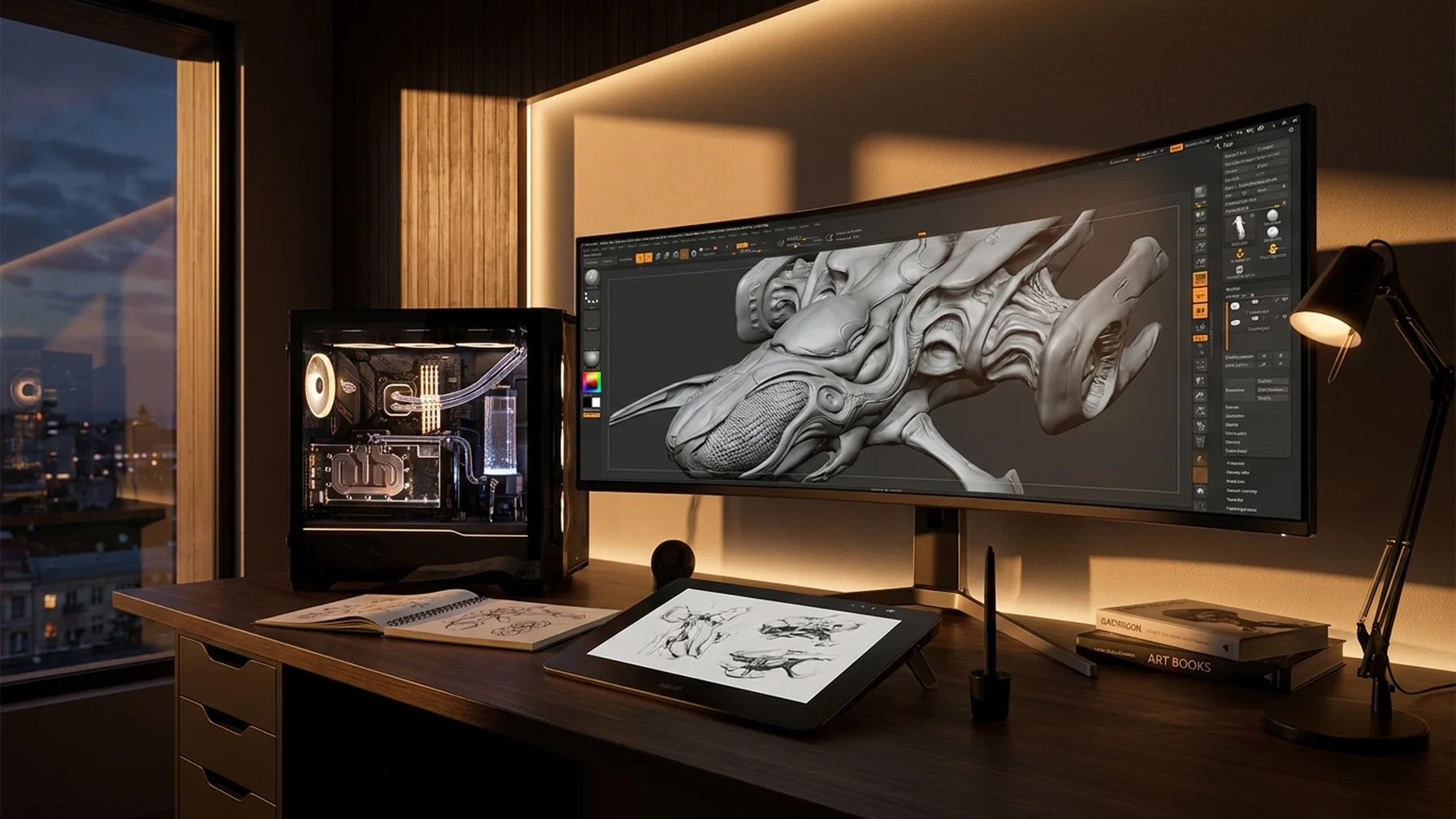
Digital art is a form of artistic expression using digital technology as a primary medium. Unlike traditional art, which involves materials like paint and canvas, digital art is created using software and electronic devices. This art form encompasses various styles, including digital painting, illustration, and 3D modeling. The versatility of digital tools allows artists to experiment and refine their work with ease.
How to Make Digital Art
Getting started with digital art requires a few essential tools and a willingness to experiment. Here’s a simple guide:
- Choose Your Hardware: A computer or a tablet with a stylus is crucial. Tablets like the iPad Pro or Wacom devices are popular choices.
- Select Software: Programs like Adobe Photoshop, Corel Painter, or Procreate offer diverse features for digital creation.
- Learn the Basics: Familiarize yourself with tools and tutorials available online. Practice basic sketches and gradually move to complex designs.
- Experiment: Don't be afraid to try new techniques and styles. Digital art offers endless possibilities.
Starting with digital art can be overwhelming, but the key is to practice regularly and explore different tools to find what works best for you.
What is Generative Art?
Generative art refers to artworks created using algorithms and computational processes. Artists set parameters, and the software generates art based on these inputs. This method allows for the creation of unique pieces that can range from abstract forms to intricate designs. Generative art is a testament to the creative potential of AI in art.
Making AI Art
AI art involves using artificial intelligence to create or enhance artworks. To start making AI art:
- Explore AI Tools: Tools like DeepArt and Artbreeder enable artists to create AI-generated art effortlessly.
- Understand Machine Learning: Gain a basic understanding of how AI learns patterns and styles to mimic artistic techniques.
- Integrate AI with Traditional Skills: Use AI to enhance or complement your existing art skills, merging technology with personal style.
AI art offers an exciting avenue for artists to push creative boundaries, combining technology with traditional artistry.
Best Software for Digital Art
Choosing the right software can significantly impact your digital art journey. Here are some top picks:
- Adobe Photoshop: Known for its versatility and robust features, ideal for both beginners and professionals.
- Procreate: Perfect for iPad users, offering a user-friendly interface with powerful tools.
- Corel Painter: Emulates traditional painting techniques, great for artists who prefer a natural feel.
These programs provide a range of tools that cater to different artistic needs, helping artists bring their vision to life.
How to Sell Digital Art
Selling digital art has become a viable way for artists to monetize their creativity. Here’s how to start:
- Build an Online Portfolio: Showcase your work on platforms like Behance or DeviantArt.
- Join Marketplaces: Websites like Etsy, ArtStation, and Gumroad allow artists to sell digital downloads and prints.
- Explore NFTs: Non-fungible tokens (NFTs) have opened new markets for selling digital art as unique digital assets.
Understanding your audience and pricing your art competitively can make selling digital art a rewarding experience.
Digital Art vs. Traditional Art
The debate between digital and traditional art often revolves around personal preference and methodology. While digital art offers flexibility and endless undo options, traditional art provides a tactile experience with physical materials. Each has its own charm, and many artists choose to blend both styles to create unique works.
Becoming a Digital Artist
To become a successful digital artist, dedication and continuous learning are crucial. Start by building a foundation in traditional art principles and gradually incorporate digital tools. Engage with online communities, attend workshops, and stay updated with the latest trends in digital art. Consistency and passion will drive your growth as a digital artist.
Creating art with AI and digital tools offers a fascinating journey into the future of creativity. By understanding the basics and exploring available resources, anyone can embark on this artistic path and make their mark in the digital art world.