Contents
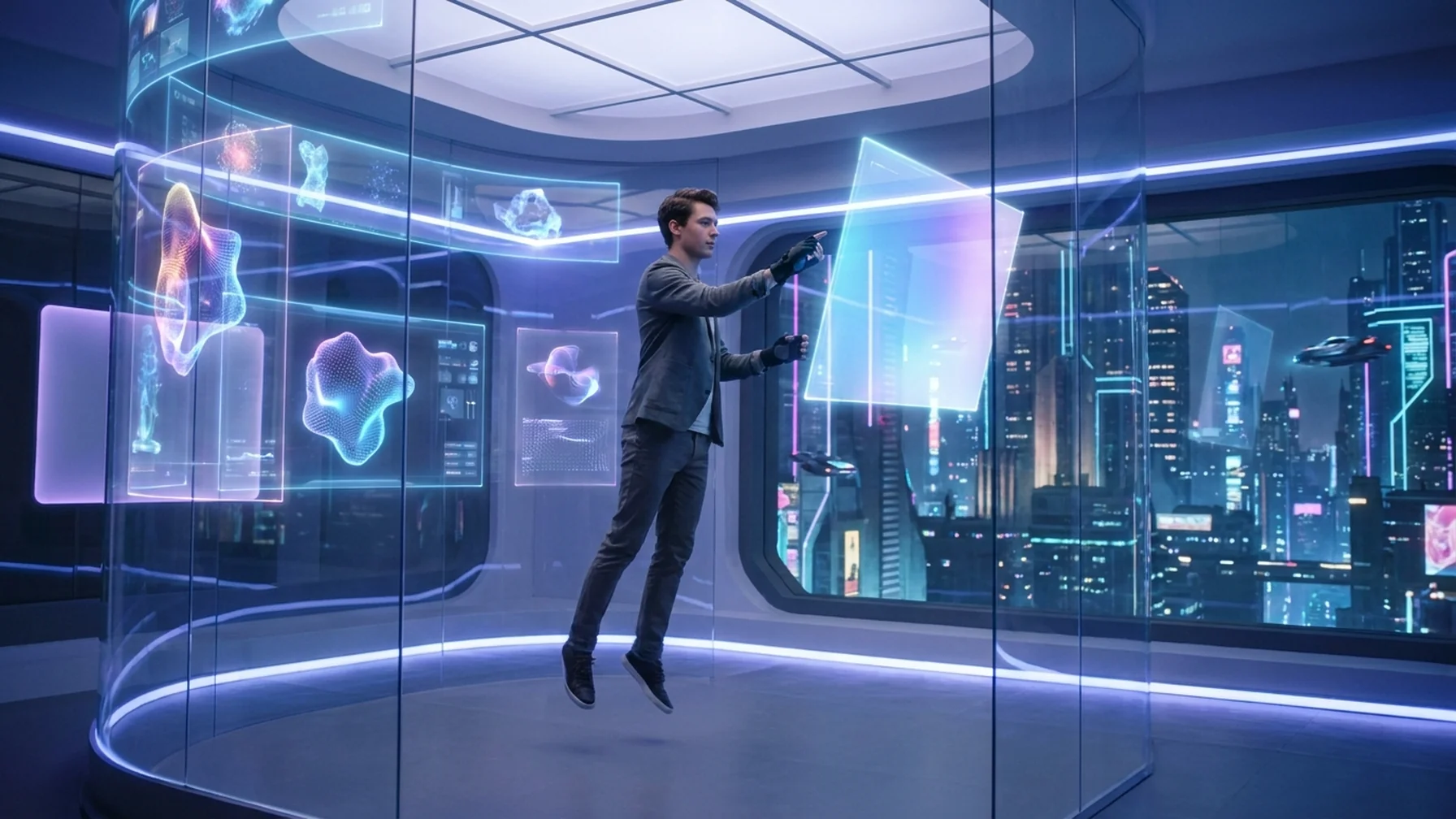
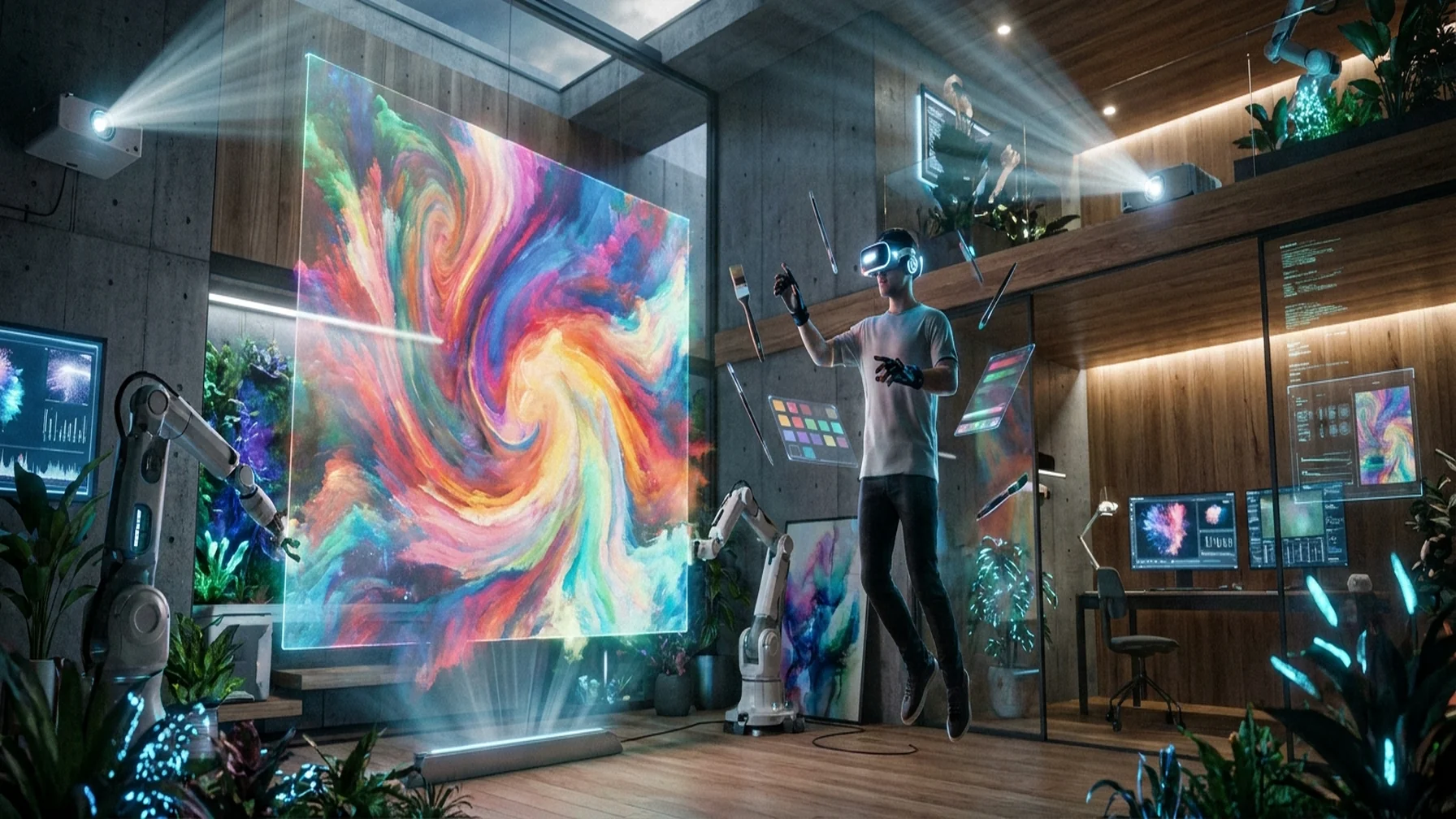
Virtual Reality (VR) is reshaping digital art, offering new possibilities for artists and creators. By exploring VR in digital art, we can see how artists are leveraging this technology to break traditional boundaries. VR allows for the creation of immersive experiences that envelop the viewer, moving beyond two-dimensional spaces. In this exploration, we will delve into tools, techniques, and opportunities in VR art, discuss how to become a digital artist in the VR era, and examine real-world examples.
Understanding Digital Art in the VR Context
Digital art refers to artworks created or presented using digital technology. This includes various forms such as digital painting, generative art, and AI art. Each form utilizes technology uniquely to produce innovative and interactive pieces. Digital painting, for example, allows artists to mimic traditional brush strokes using software, while generative art employs algorithms to create evolving patterns.
- Digital Painting: Utilizes software to simulate traditional painting techniques, offering a vast array of colors and effects.
- Generative Art: Created by algorithms, often involving randomness; used to develop complex patterns or fractals.
- AI Art: Uses artificial intelligence to mimic artistic styles, as seen in AI-generated portraits.
With VR, these forms can be enhanced, offering immersive experiences that traditional mediums cannot match.
Becoming a Digital Artist in the VR Era
Starting as a digital artist in the VR era involves learning the right skills and finding platforms to showcase your work. Here are some steps to guide you:
- Learn the Basics: Understand digital art fundamentals, including software and hardware tools. Consider online courses or workshops to enhance your skills.
- Explore VR Platforms: Familiarize yourself with VR creation tools like Tilt Brush and Medium, which allow painting in 3D space or sculpting with gestures.
- Build a Portfolio: Develop a diverse portfolio featuring your VR-integrated art. Share your creations on platforms like Behance to reach a broader audience.
- Engage with Communities: Join online forums and social media groups to connect with other artists and potential clients. Communities offer support and feedback from fellow artists.
- Sell Your Art: Use platforms like DeviantArt and ArtStation for selling digital art, including VR pieces. Consider offering commissions or limited editions.
By following these steps, aspiring digital artists can find a niche in the rapidly growing field of VR art, much like artists who have transitioned to creating virtual sculptures and environments.
Creating Digital Art: Tools and Techniques
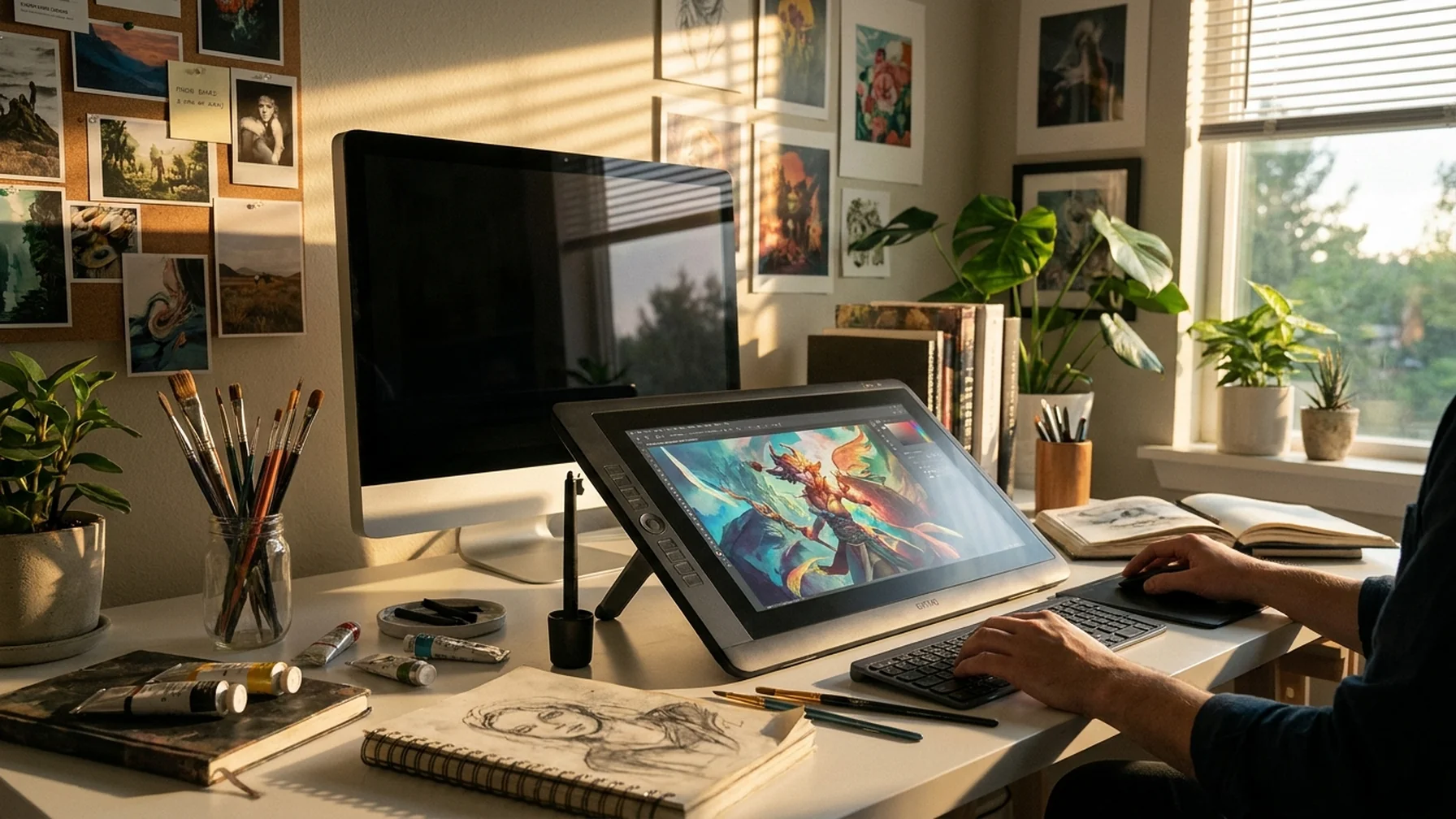
For digital art creation, certain tools and knowledge are essential. Here are some basic requirements:
- Software: Programs like Adobe Photoshop and Procreate are popular for creating digital paintings, offering a range of brushes and effects.
- Tablets: Devices like Wacom Intuos or iPad Pro provide precision and control, favored for their ease of use and pressure sensitivity.
- VR Headsets: Tools such as Oculus Rift or HTC Vive allow artists to create and view art in virtual spaces, adding new dimensions to their work.
Mastering these basics enables artists to explore advanced techniques, such as creative coding, which can be integrated with VR for novel artistic expressions.
Types of Digital Art and VR Integration
Different digital art types can benefit from VR technology, each offering unique experiences:
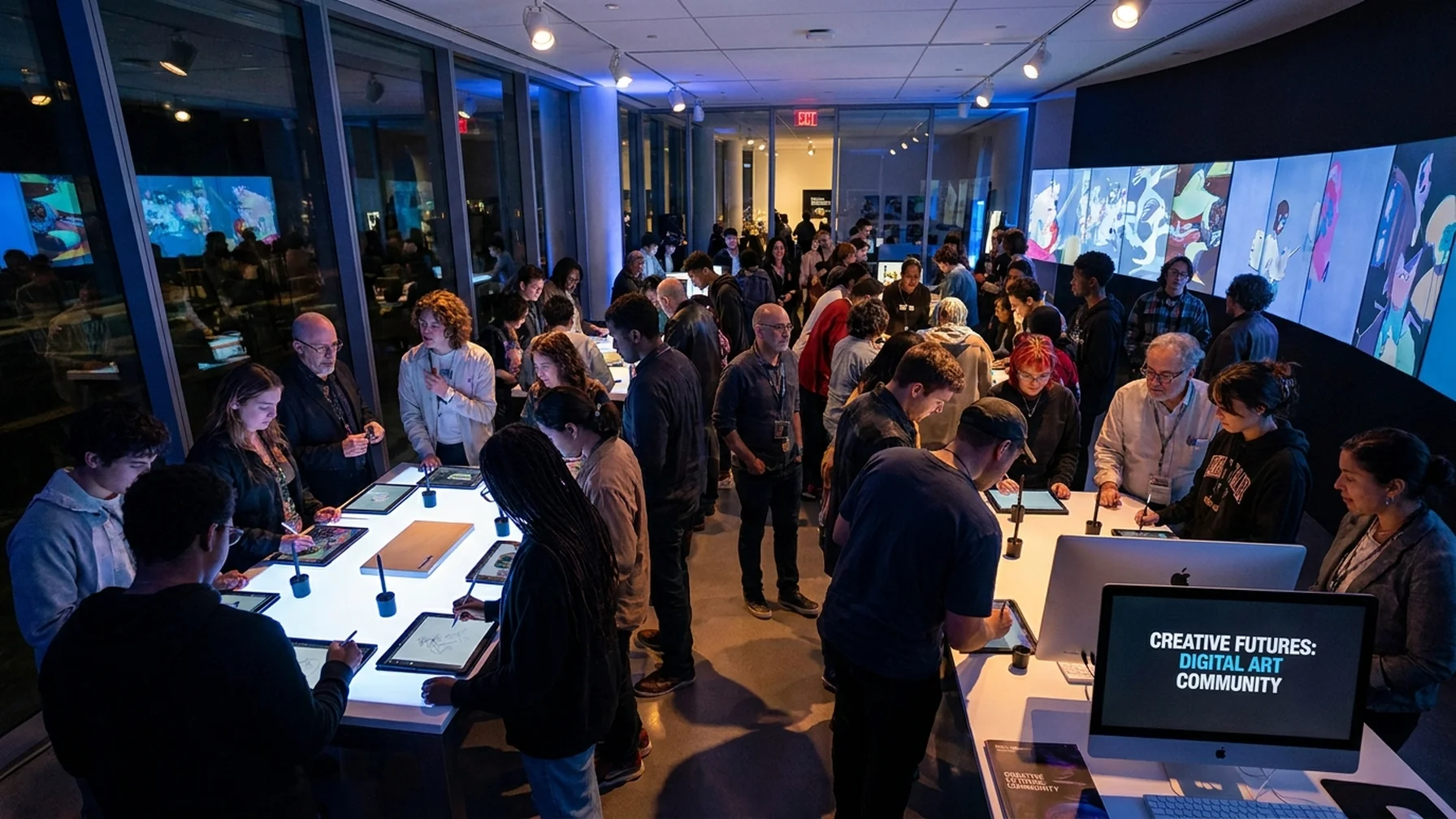
- Interactive Installations: VR enables participatory experiences, such as walking through digital landscapes at art festivals.
- Immersive Environments: Artists create 3D worlds that viewers can explore, blurring the lines between art and reality.
- Virtual Exhibitions: Art galleries use VR to host virtual exhibitions, making art accessible worldwide.
By integrating VR, artists can push creative boundaries, offering audiences novel and engaging experiences that are educational and interactive.
Comparison of VR Art Tools
Choosing the right VR art tools can significantly impact the creative process. Here's a comparison of several popular VR art tools based on ease of use, features, and cost:
| Tool | Ease of Use | Features | Cost |
|---|---|---|---|
| Tilt Brush | Beginner-Friendly | 3D painting, intuitive interface | Free |
| Medium by Adobe | Moderate | Sculpting, detailed models | Subscription |
| Gravity Sketch | Moderate | Product design, 3D modeling | Free/Paid |
| Quill | Advanced | Animation, storytelling | Free |
| Blocks | Beginner-Friendly | Simple 3D modeling | Free |
Each tool caters to different aspects of VR art creation. For instance, Tilt Brush is ideal for beginners, while Medium by Adobe is suitable for detailed 3D sculpting. Choosing the right tool enhances workflow and brings creative visions to life.
The Future of VR in Digital Art
The integration of VR in digital art is just beginning. As technology advances, more tools and platforms will emerge, offering new opportunities for artists. The future promises a dynamic landscape where digital and traditional art converge, allowing for endless possibilities in innovation and expression.
Exploring VR in digital art offers a glimpse into a new era of creativity and interaction. As VR becomes more accessible, the number of artists using it will continue to grow, leading to new genres and styles of art.
Common Challenges in VR Art
While VR offers exciting possibilities, artists may encounter challenges when integrating it into their work. A common issue is neglecting user experience, leading to complex interfaces. It's crucial to design VR art that is intuitive and easy to navigate, ensuring compatibility across different platforms.
To overcome these challenges, artists should conduct thorough testing and gather user feedback. This helps identify and resolve potential issues, ensuring a smooth and engaging experience for audiences.