Understanding Art NFTs: A Comprehensive Guide
Contents
Art NFTs, or Non-Fungible Tokens, have transformed the digital art landscape by providing artists with innovative ways to create, sell, and profit from their work. These unique digital assets are verified through blockchain technology, offering a new realm of possibilities for artists and collectors. To grasp the full potential of this advancement, it is crucial to understand digital art, how to create it, and how NFTs integrate into this ecosystem. This guide will explore the essential elements of digital art and NFTs, paving the way for those eager to dive into this exciting field.
Exploring Digital Art: A New Creative Medium
Digital art encompasses any artwork created using digital technology. This includes forms like digital painting, generative art, and AI art. Unlike traditional art, digital art can be easily shared and sold online, making it accessible to a global audience. A notable example is digital artist Beeple, who sold an NFT artwork titled "Everydays: The First 5000 Days" for an astounding $69 million. This sale highlights the immense potential of digital art.
Creative Coding and Procedural Generation Art
Creative coding involves writing code to produce art, resulting in dynamic and interactive pieces. Procedural generation uses algorithms to automatically create data, often utilized in video games and simulations. Both methods offer innovative ways to produce art. Artist Tyler Hobbs, for example, employs generative algorithms to craft intricate and visually captivating artworks.
Here are some key steps involved in creative coding:
- Define the art concept and goals.
- Select a programming language or tool.
- Develop and test the code to create visuals.
- Iterate and refine the artwork based on results.
Below is a comparison of creative coding and procedural generation:
Comparison of Creative Coding and Procedural Generation:
| Aspect | Creative Coding | Procedural Generation |
|---|---|---|
| Purpose | Art creation | Data creation |
| Method | Code-driven | Algorithm-driven |
| Use Case | Art installations | Video games |
Both creative coding and procedural generation continue to push the boundaries of digital art, offering artists new ways to express their creativity.
Understanding Art NFTs and Their Impact
NFTs, or Non-Fungible Tokens, are unique digital assets verified using blockchain technology. They have become a popular way to buy and sell digital art, providing artists with a new revenue stream and collectors a means to own exclusive digital works. One notable example is the sale of CryptoPunks, a collection of 10,000 unique collectible characters that have gained significant popularity and market value.
This table provides an overview of key concepts and comparisons related to art NFTs:
| Aspect | Description |
|---|---|
| Ownership | Digital assets that represent ownership of unique works of art. |
| Blockchain | Technology that ensures the authenticity and provenance of the art. |
| Marketplaces | Platforms where NFTs can be bought, sold, and traded. |
| Smart Contracts | Self-executing contracts with the terms directly written into code. |
| Environmental Impact | The debate around the energy consumption of blockchain transactions. |
This table highlights the crucial elements that define art NFTs, providing insight into their functionality and the ongoing discussions surrounding their use in the art market.
How to Start with Digital Art
Beginners eager to dive into digital art should begin with the right tools and techniques. Here’s a simple checklist to get started:
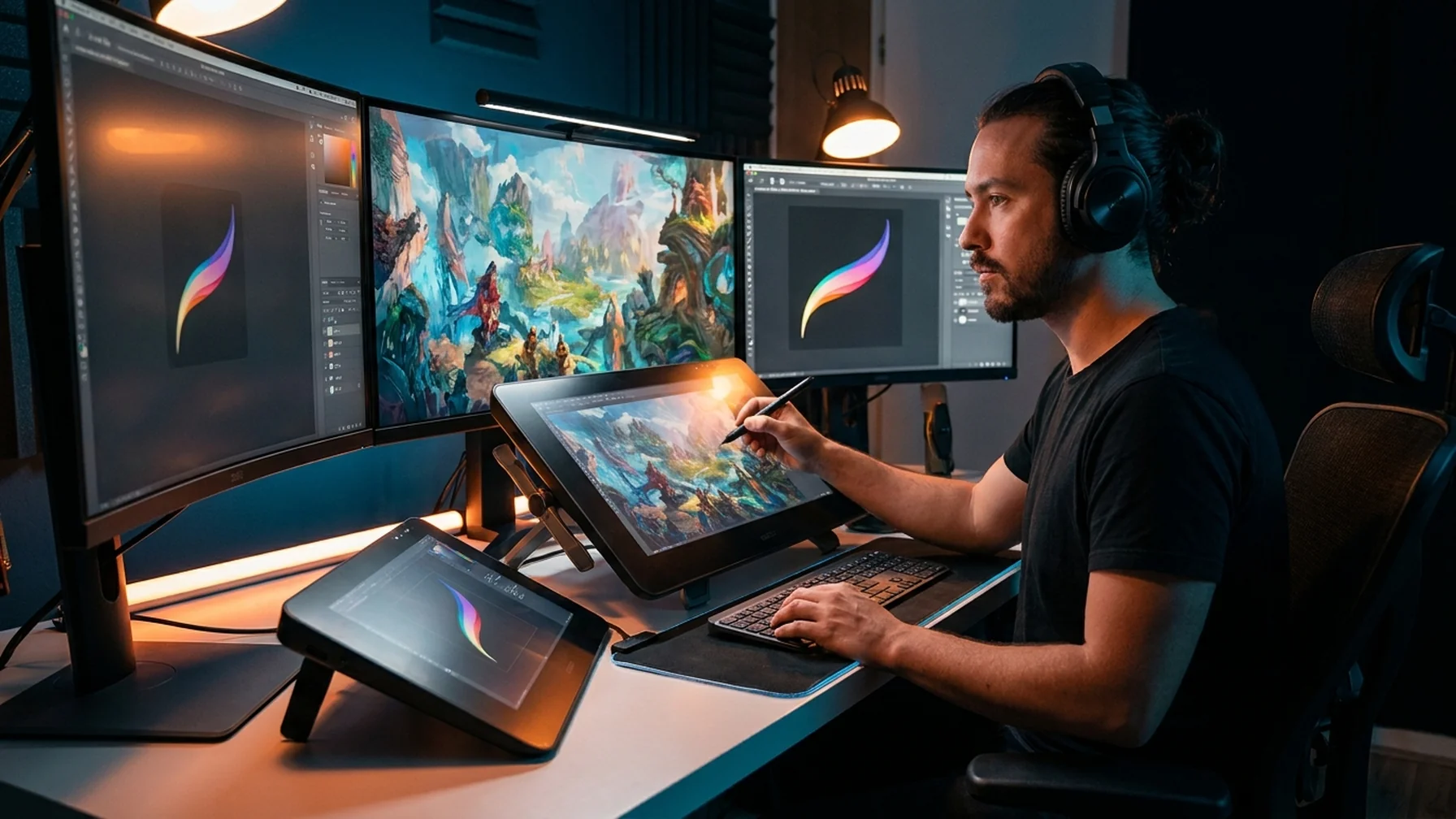
- Select a digital art software. Popular choices include Adobe Photoshop, Corel Painter, and Procreate.
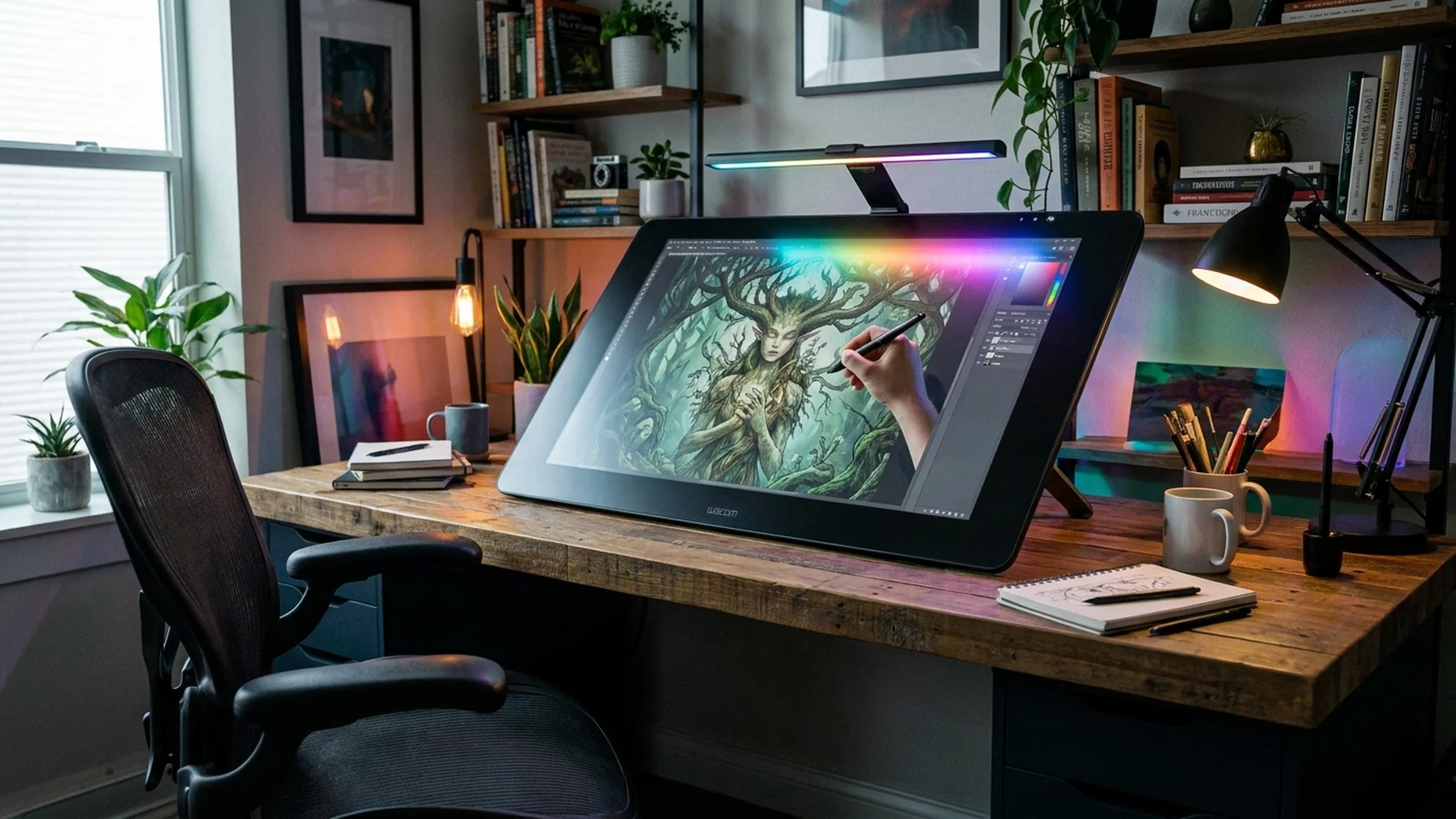
- Choose a tablet that suits your needs. Wacom and iPad Pro are highly recommended for their precision and functionality.
- Learn the basics of digital painting and drawing techniques.
- Practice regularly to hone your skills and develop your unique style.
By following this checklist, anyone can begin their journey into digital art. A great example is digital artist Lois van Baarle, who started with simple tools and gradually built a successful career by consistently practicing and improving her skills.
Creating and Selling Digital Art as NFTs
To create and sell digital art, artists must first produce an artwork using digital tools, then mint it as an NFT on platforms like OpenSea or Rarible. Once minted, the art can be listed for sale, reaching potential buyers worldwide. Crypto artist Pak, known for creating and selling digital art pieces, has successfully utilized these platforms to reach a broad audience and achieve significant sales.
Tips and Tools for Digital Art Beginners
Beginners should focus on mastering basic digital art skills. Here are some tools and tips to get started:
- Use free software like Krita or Autodesk SketchBook to practice without financial commitment.
- Experiment with different brushes and techniques to find what works best for your style.
- Participate in online challenges and communities to gain feedback and improve.
These steps will help beginners build a strong foundation in digital art. Many artists have found success by participating in platforms like DeviantArt, where they can share their work, receive feedback, and learn from peers.
Comparing Digital and Traditional Art
Digital art offers flexibility and convenience, while traditional art provides a tactile, hands-on experience. Artists often choose based on personal preference, but many find that combining both methods can enhance their creative output. For example, artist David Hockney seamlessly blends traditional and digital techniques, creating vibrant pieces that capitalize on the strengths of both mediums.
Pricing Digital Art and NFTs
Pricing digital art depends on factors like the artist's reputation, the complexity of the work, and current market trends. Artists should research similar works and consider their audience when setting prices. Selling digital art as NFTs can potentially increase its value and reach. A real-world example is artist Trevor Jones, who successfully sold a piece titled "The Bitcoin Angel" for over $3 million, demonstrating the lucrative potential of NFTs.
Becoming a Digital Artist
To become a digital artist, one must continuously learn and adapt to new technologies. Building a portfolio, networking, and engaging with the art community are crucial steps in developing a successful career in digital art. A case study of digital artist Sarah Zucker highlights the importance of building an online presence and actively engaging with other artists and collectors to foster growth and opportunities.
In conclusion, understanding art NFTs involves exploring digital art's many facets, from traditional methods to cutting-edge technologies. As the digital art world evolves, artists have more opportunities than ever to express themselves and connect with a global audience. The rise of NFTs has only amplified these opportunities, offering artists new ways to monetize their creativity while reaching international buyers.