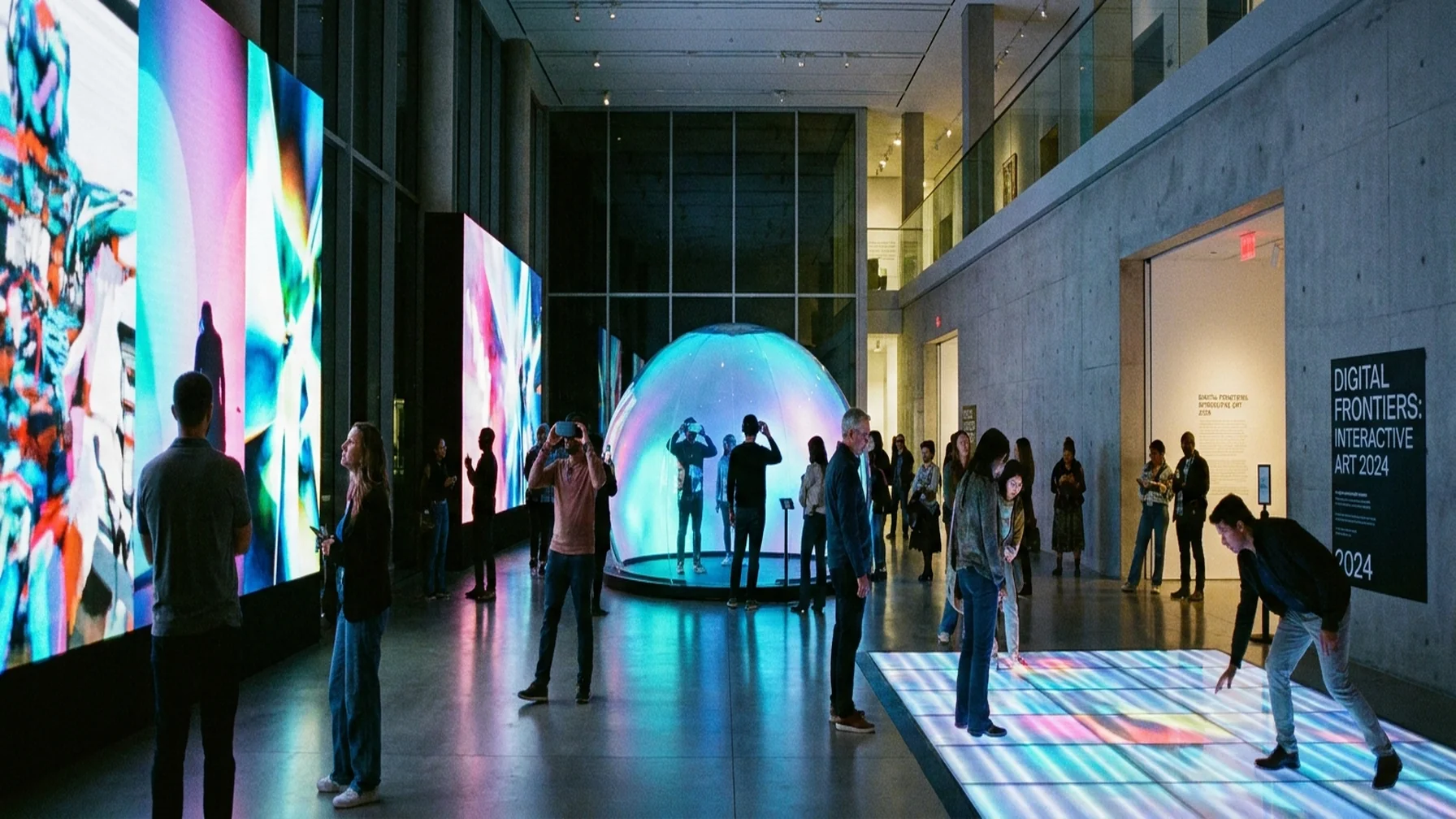
Interactive Digital Art Experiences: A Comprehensive Guide
Contents
Interactive digital art experiences are reshaping how audiences engage with art by combining technology and creativity. These experiences range from digital paintings that evolve through viewer interaction to immersive virtual reality installations. This article explores the elements of digital art, provides insights into getting started, and examines the innovative tools and techniques available to artists today. Understanding these experiences will enhance your appreciation and capabilities in the art world, whether you're an art enthusiast or a budding digital artist.
Understanding Interactive Digital Art
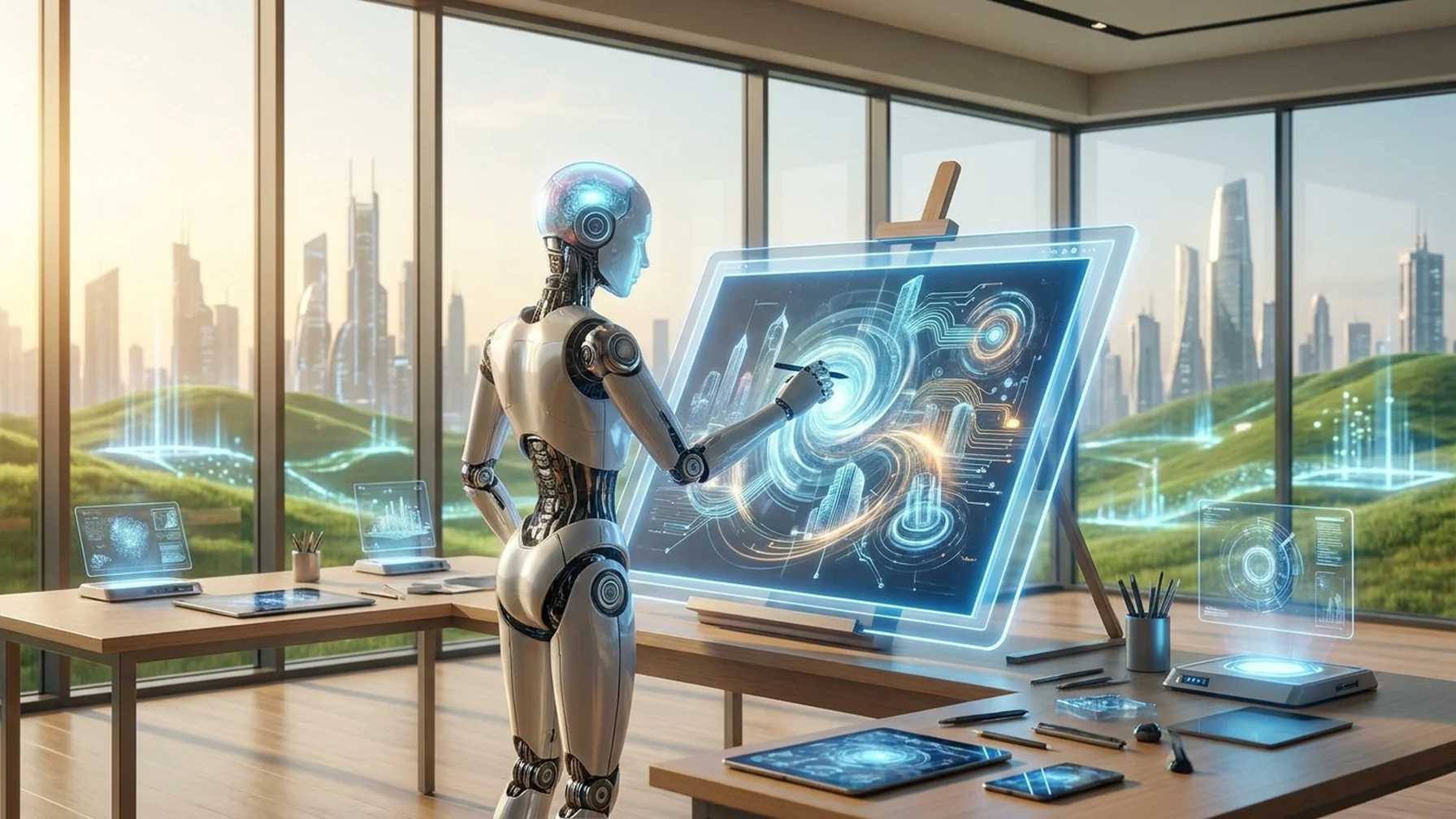
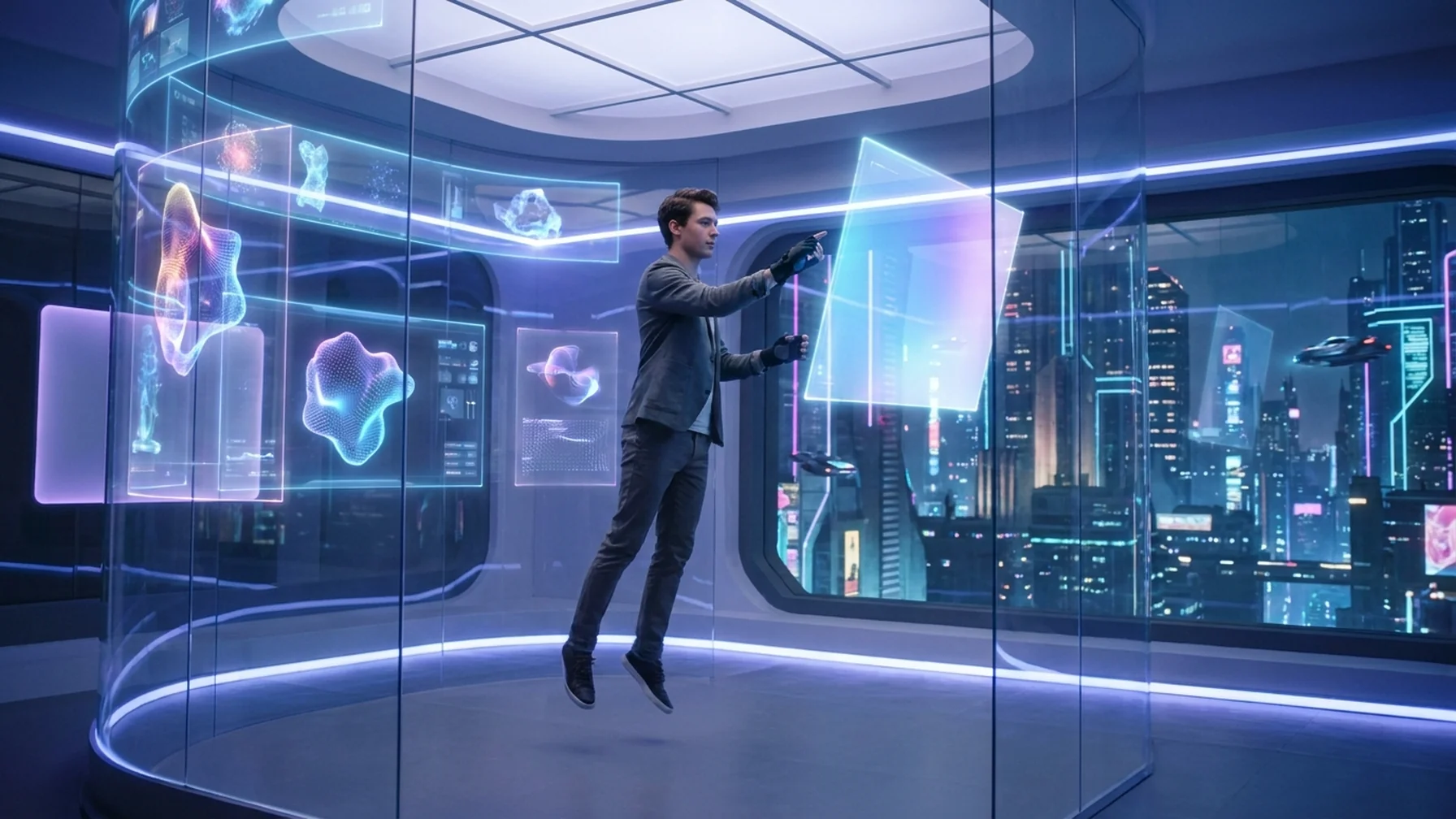
Interactive digital art involves artworks that rely on technology for their creation and viewer engagement. Unlike traditional art, which is static, interactive digital art encourages audience participation to alter or influence the artwork. This dynamic form of art leverages software, virtual reality, and even artificial intelligence to create immersive experiences.
- Dynamic and evolving artworks
- Audience participation
- Use of technology like VR and AI
Getting Started with Digital Art
For beginners eager to explore digital art, understanding the basic tools and software is crucial. Start by following these steps:
- Choose a digital art software: Popular options include Adobe Photoshop, Corel Painter, and Procreate, each offering unique features for different styles.
- Select a drawing tablet: Devices like the Wacom Intuos or iPad Pro provide precision and control, essential for detailed artwork.
- Learn basic techniques: Engage in online tutorials to master layering, blending, and digital brushes, which are foundational skills for digital illustration.
Features of Popular Digital Art Software
Here's a quick comparison of popular digital art software to help you decide which might suit your needs:
| Software | Key Features |
|---|---|
| Adobe Photoshop | Layering, photo editing, wide brush selection |
| Corel Painter | Natural media emulation, realistic brushes |
| Procreate | Touch interface, intuitive design, affordability |
By mastering these basics, artists can confidently venture into more complex projects. A case study of an artist transitioning from traditional to digital art showed significant improvement in efficiency and creative freedom after familiarizing themselves with these tools.
Exploring Various Interactive Digital Art Experiences
The following table showcases various interactive digital art experiences, highlighting their unique features and platforms. This overview can help readers understand the diverse ways in which technology has enhanced artistic expression.
| Experience Name | Platform | Key Features |
|---|---|---|
| TeamLab Borderless | Interactive Museum | Immersive installations, motion sensors |
| Refik Anadol's Data Drift | Projection Mapping | Data-driven visuals, algorithmic art |
| Piksel Festival | Art Festival | Open-source, collaboration, multimedia |
This table illustrates a range of interactive digital art experiences available today, emphasizing the innovative platforms and features that engage audiences in unique ways. As technology continues to evolve, these experiences are likely to expand, pushing the boundaries of traditional art forms.
Creating Your Own Interactive Digital Art Experience
Creating an engaging interactive digital art experience involves a series of thoughtful steps to ensure participation and satisfaction from the audience. Here are the essential steps to guide you through the process:
- Define your concept: Start with a clear idea of the message or theme you want to convey through your art.
- Choose the technology: Select the appropriate tools and technologies that will best facilitate interactivity, such as software or platforms.
- Design the user experience: Create an intuitive interface that encourages users to interact with the art and provides a seamless experience.
By following these steps, you can successfully create an interactive digital art experience that captivates and engages your audience, ultimately enhancing their appreciation of both the art and the technology behind it.
Generative and AI Art: New Frontiers
Generative art and AI art are cutting-edge forms of digital creativity. Generative art uses algorithms to autonomously produce unique art pieces. For instance, artists use software like Processing to write code that generates evolving visuals. AI art, on the other hand, involves machine learning tools like DALL-E, which create art by interpreting textual descriptions. A notable example is an AI-generated portrait that sold for a substantial sum at auction, highlighting the growing interest and value of AI art in the market.
Creative Coding and Procedural Generation Art
Creative coding involves writing code to create visual art, offering a new dimension to digital creativity. Artists use languages like JavaScript or Python to craft animations or interactive installations. Procedural generation art, a subset of this, employs algorithms to produce complex data-driven designs. For example, video games often use procedural generation to create expansive worlds, ensuring each playthrough is unique. These methods emphasize process, leading to intricate and often unexpected art forms.
Digital Art vs. Traditional Art
Digital art and traditional art differ significantly in medium and technique. Traditional art uses physical materials like paint and canvas, while digital art relies on technology. A key difference is the ease with which digital artists can revise their work. For example, an artist can quickly adjust colors or composition in a digital piece without starting over. Digital art also facilitates global sharing and collaboration, appealing to contemporary artists who value experimentation and quick iteration.
Monetizing Digital Art: NFTs and More
Digital artists have various avenues for monetizing their work. Selling digital prints and offering commissions are popular methods. Additionally, NFTs (Non-Fungible Tokens) have emerged as a revolution in digital art sales. An NFT provides a digital certificate of authenticity for artworks, making them desirable for collectors. Platforms like OpenSea allow artists to list and sell their NFTs, enabling them to reach a global audience. A real-world example is the sale of a digital artwork for millions through an NFT marketplace, showcasing the potential of this new technology.
Pricing Your Digital Art
Determining the right price for digital art can be challenging. Artists should consider factors such as the time invested, the complexity of the piece, and its uniqueness. Researching market rates by examining similar artists can provide valuable insights. For instance, an artist who specializes in intricate digital portraits may charge higher rates than those producing simpler designs. Additionally, the platform and audience reach can significantly impact pricing strategies.
Conclusion: Embracing the Future of Art
Interactive digital art experiences offer endless opportunities for creativity and innovation. Whether you are a beginner or an experienced artist, exploring digital art can lead to new forms of expression and engagement. Embrace the technology, experiment with different tools, and let your creativity flourish in this exciting digital landscape. From virtual reality to AI-generated pieces, the future of art is interactive and digital, inviting everyone to be part of this vibrant evolution.