Mastering Digital Illustration Techniques: A Beginner's Guide
Contents
Digital illustration is a dynamic art form that blends creativity with technology. Whether you're transitioning from traditional art or starting fresh, understanding digital illustration techniques is crucial. This guide will walk you through essential aspects, from choosing the right tools to perfecting your skills and even selling your creations.
Understanding Digital Illustration
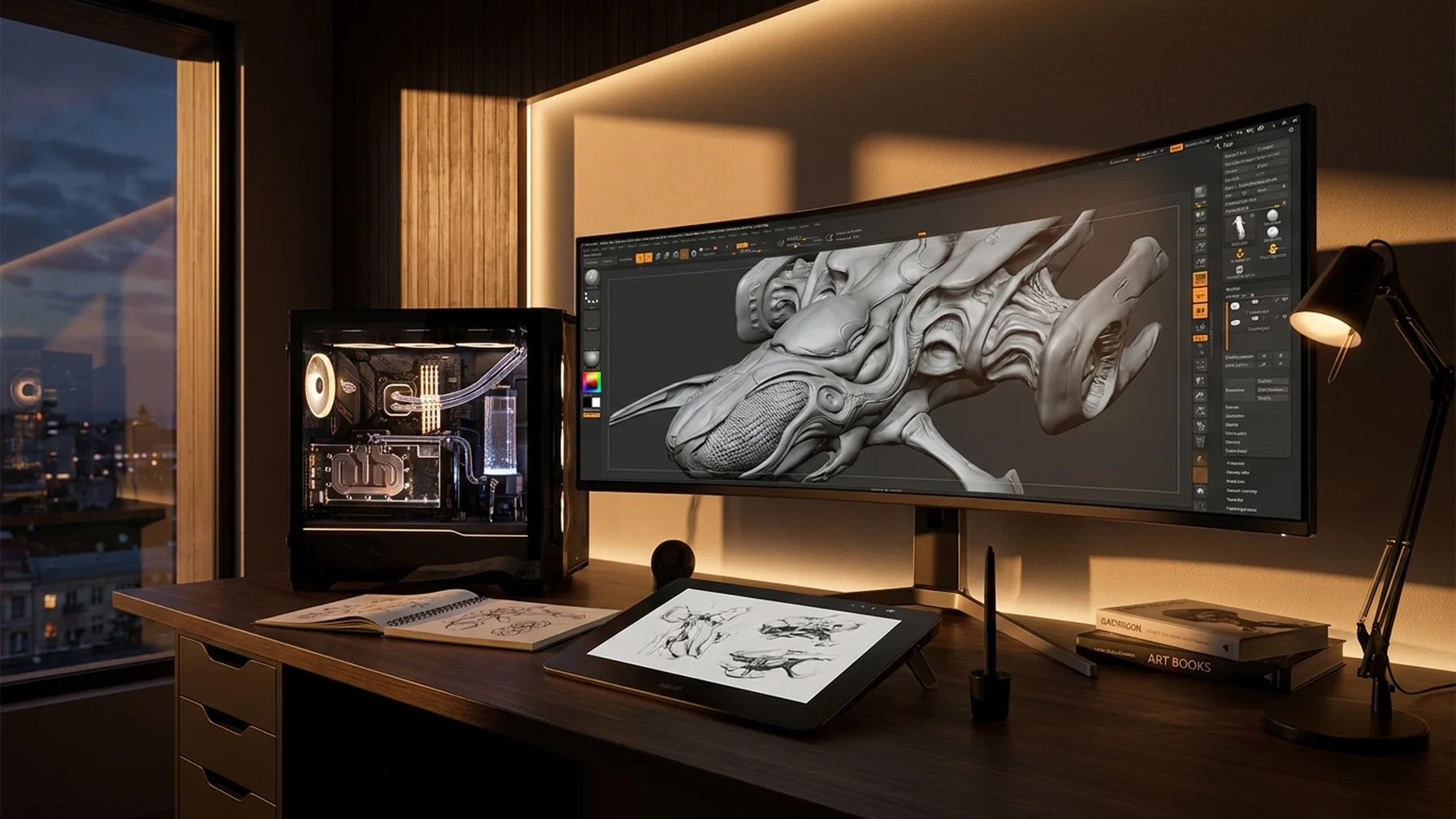
Digital illustration involves creating images using digital tools and software, providing artists with endless possibilities for experimentation and refinement. Unlike traditional art, digital methods offer the ability to edit and modify without limitations. This flexibility makes it a popular choice for artists worldwide.
Essential Tools for Digital Art
Getting started with digital art requires some basic tools. Here's what you'll need to begin your creative journey:
- Choose the right software: Popular choices include Adobe Photoshop, Corel Painter, and Procreate.
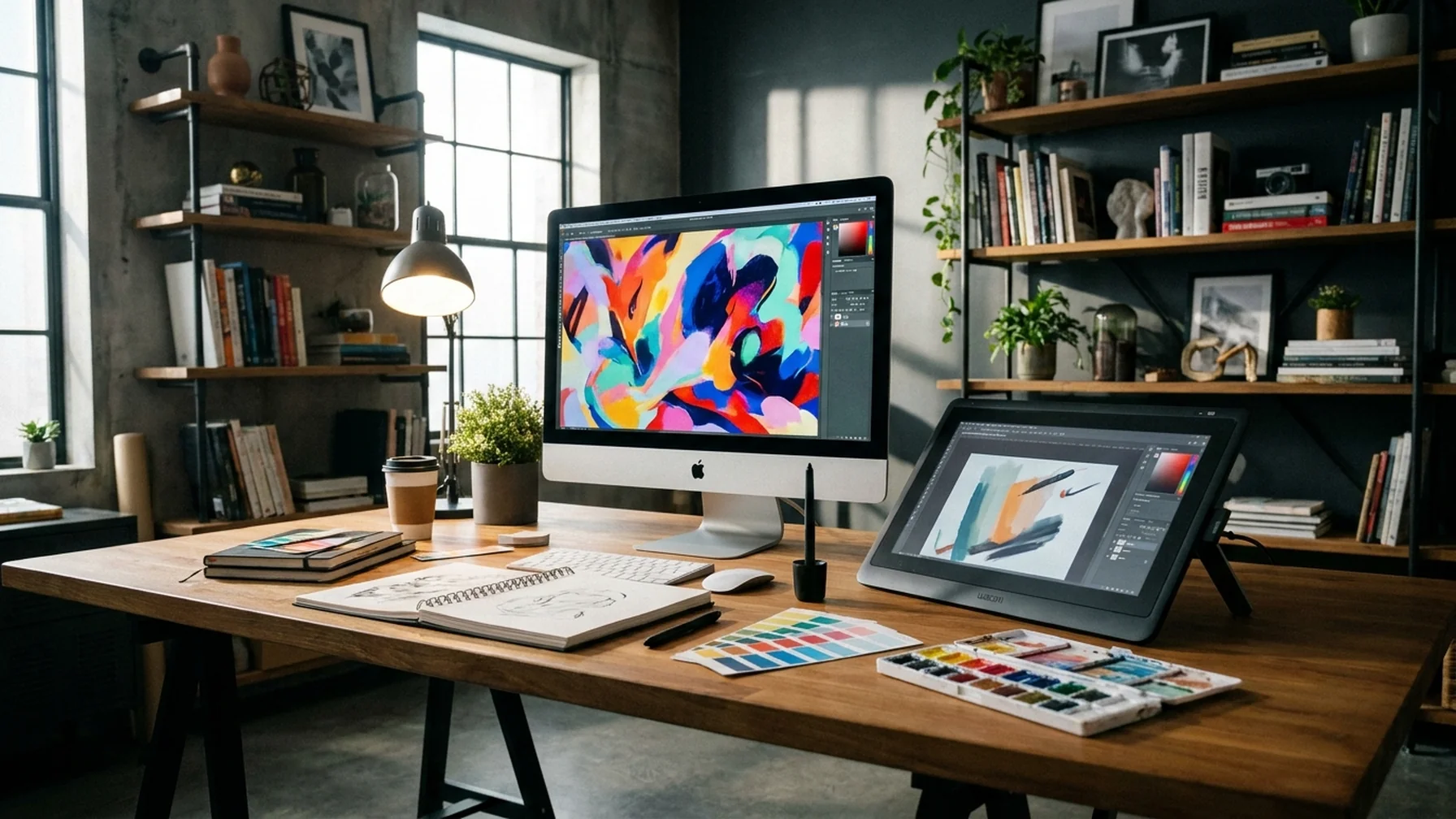
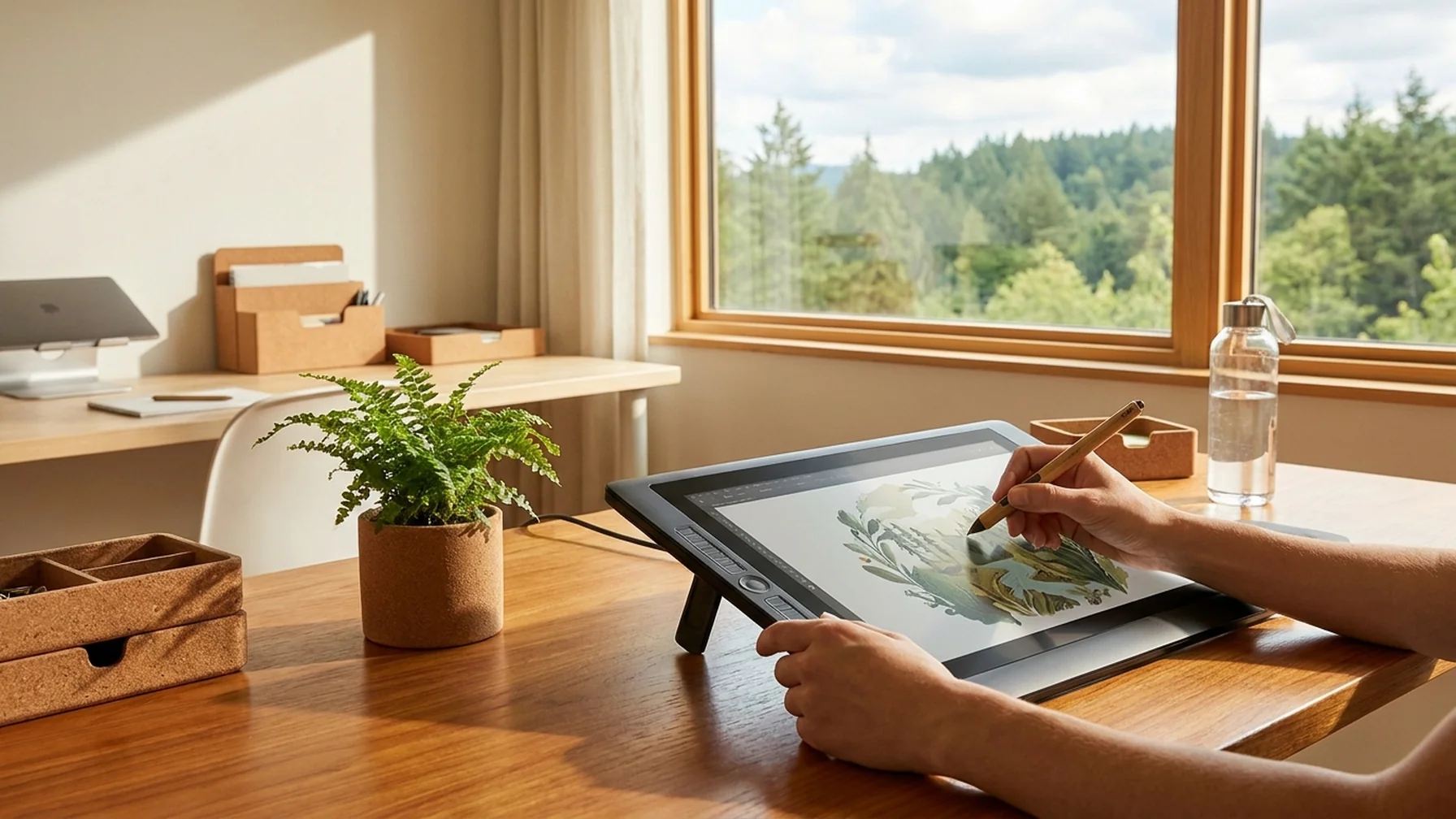
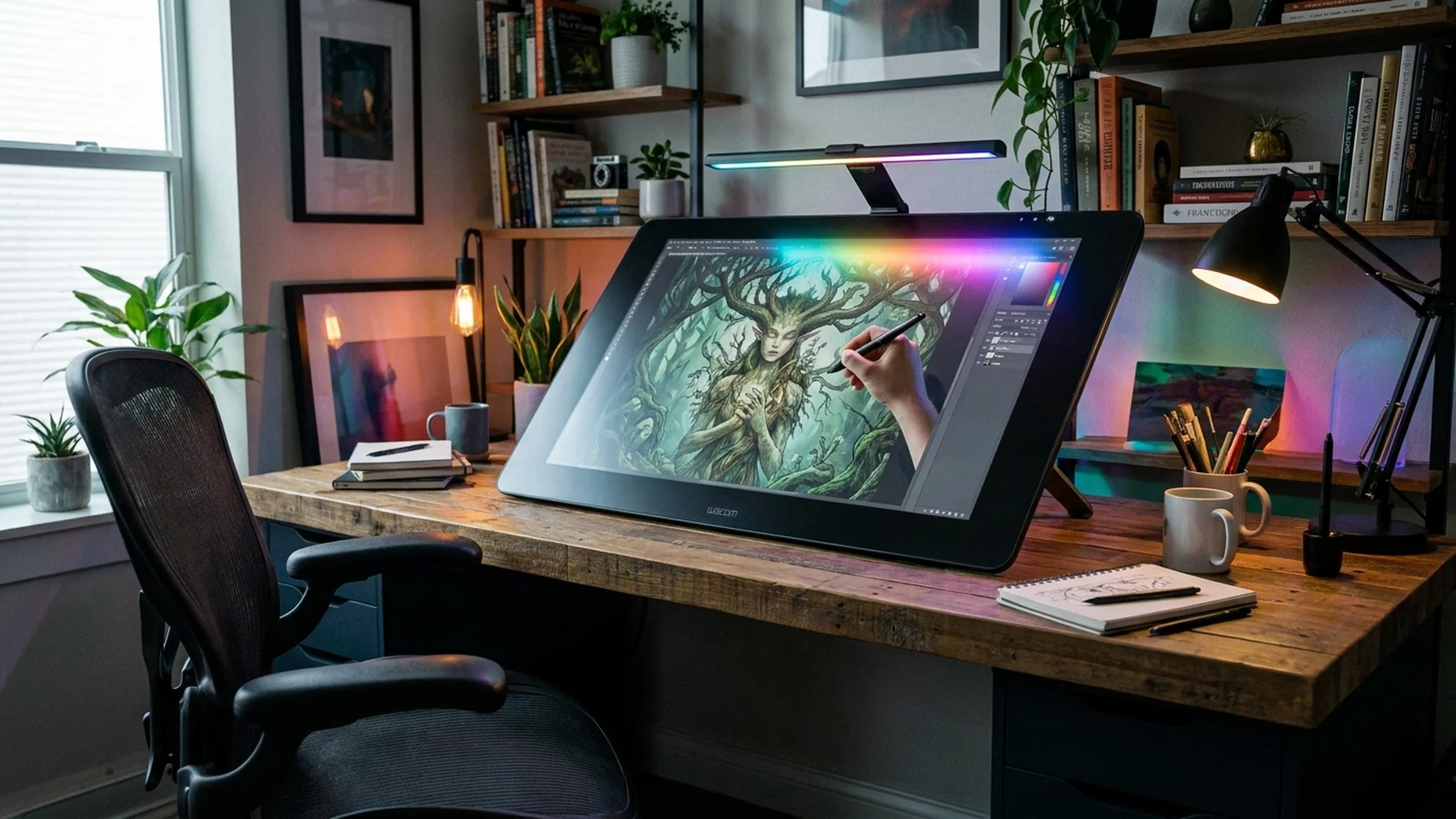
- Invest in a quality drawing tablet: Brands like Wacom and Huion offer a range of options suitable for beginners and professionals.
- Learn the basics: Familiarize yourself with digital brushes, layers, and other tools through tutorials and online courses.
- Practice regularly: Set aside time to sketch and experiment with different styles to enhance your skills.
These steps will set a strong foundation for your digital art skills. Regular practice is key to improvement, so keep experimenting with new techniques.
Digital Illustration Techniques
There are several techniques in digital illustration, each offering unique benefits. Here's an overview:
- Vector Illustration: Uses geometric shapes for smooth, scalable images, perfect for logos and graphics.
- Raster Illustration: Pixel-based images ideal for detailed artwork like paintings and photos.
- Digital Painting: Mimics traditional painting with digital brushes, allowing for expressive artworks.
- 3D Illustration: Uses 3D modeling software for lifelike images and animations, popular in gaming and film.
Each technique offers unique advantages, catering to different styles and project needs. Experiment with these techniques to find what suits your artistic vision best.
Comparing Digital Art Software
Choosing the right software is vital for creating digital art. Here's a comparison of popular options:
| Software | Features |
|---|---|
| Adobe Photoshop | Advanced editing tools, layer management, extensive brush library |
| Corel Painter | Realistic painting effects, wide range of brushes, customizable workspace |
| Procreate | Intuitive interface, powerful brush engine, excellent for iPad users |
| Krita | Free, open-source program with professional-grade features |
Each software has its strengths. Consider what features align with your needs and budget when making your choice.
Creating and Selling Your Digital Art
Once you've honed your skills, you might consider selling your digital art. Here's how to get started:
- Create a portfolio: Showcase your best work online to attract potential buyers.
- Choose a platform: Websites like Etsy, Redbubble, and ArtStation are popular for selling digital art.
- Set fair prices: Research similar artworks to price your pieces competitively.
- Promote your art: Use social media and online communities to increase visibility and connect with art enthusiasts.
Selling digital art can be both creatively and financially rewarding. With persistence and effective marketing, your art can reach a vast audience.
The Impact of NFTs on Digital Art
Non-fungible tokens (NFTs) have transformed the digital art market. NFTs are unique digital assets stored on blockchain, offering proof of ownership and authenticity. Artists can sell digital artwork as NFTs, reaching a global market while ensuring their work is secure and traceable.
Digital Art vs. Traditional Art
Each art form has its advantages. Digital art offers flexibility, easy editing, and undo options, while traditional art provides tactile experiences and unique textures. Many artists blend both approaches to enhance creativity and produce diverse artworks.
Conclusion: Embrace the Digital Art Journey
Digital illustration techniques unlock a world of possibilities for creativity and expression. From understanding the basics to selecting the right tools and techniques, this guide offers a roadmap for budding digital artists. Embrace your digital art journey and let your creativity flourish in this exciting medium.