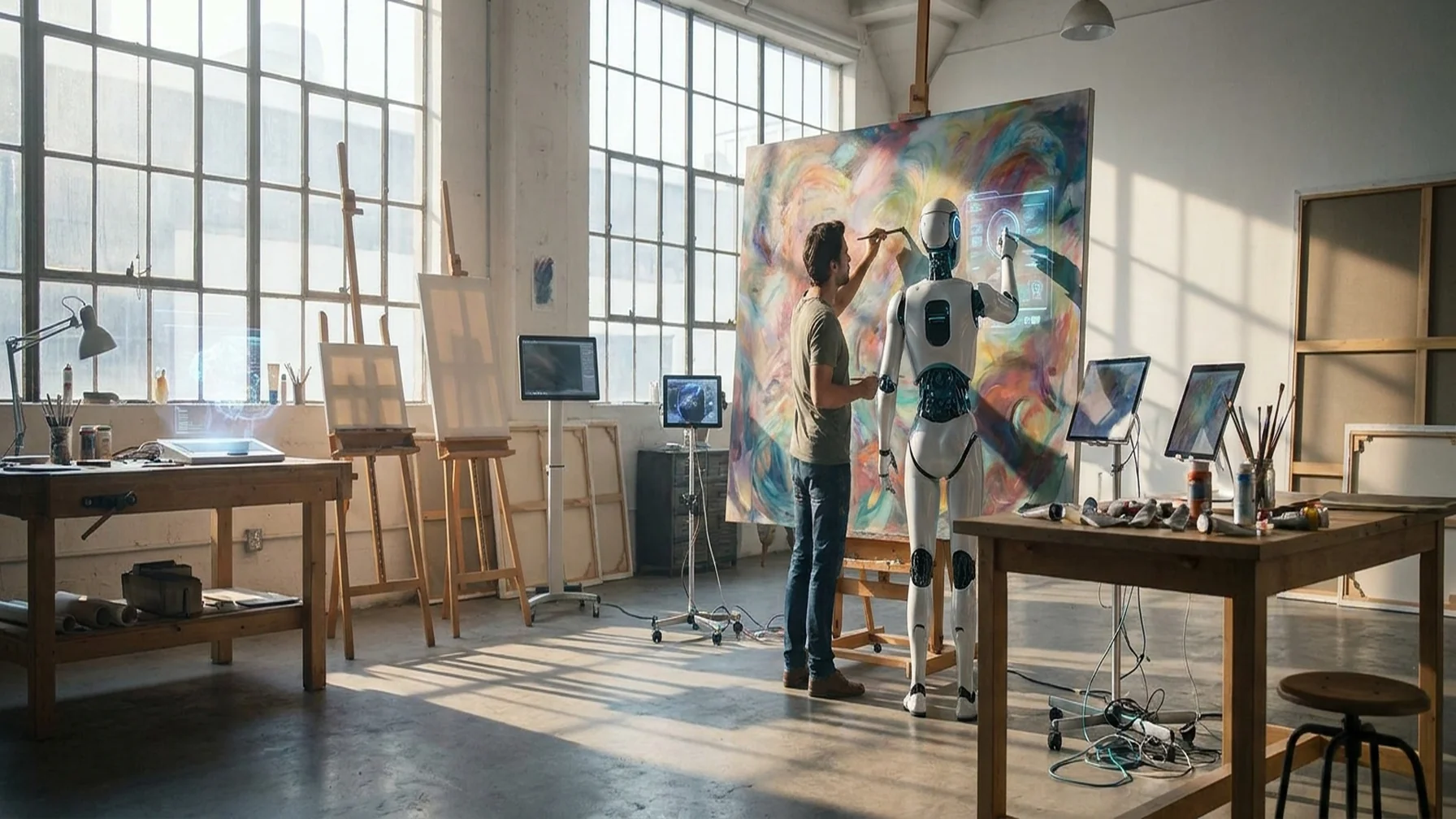
AI as a Co-Artist: Revolutionizing the World of Digital Art
Contents
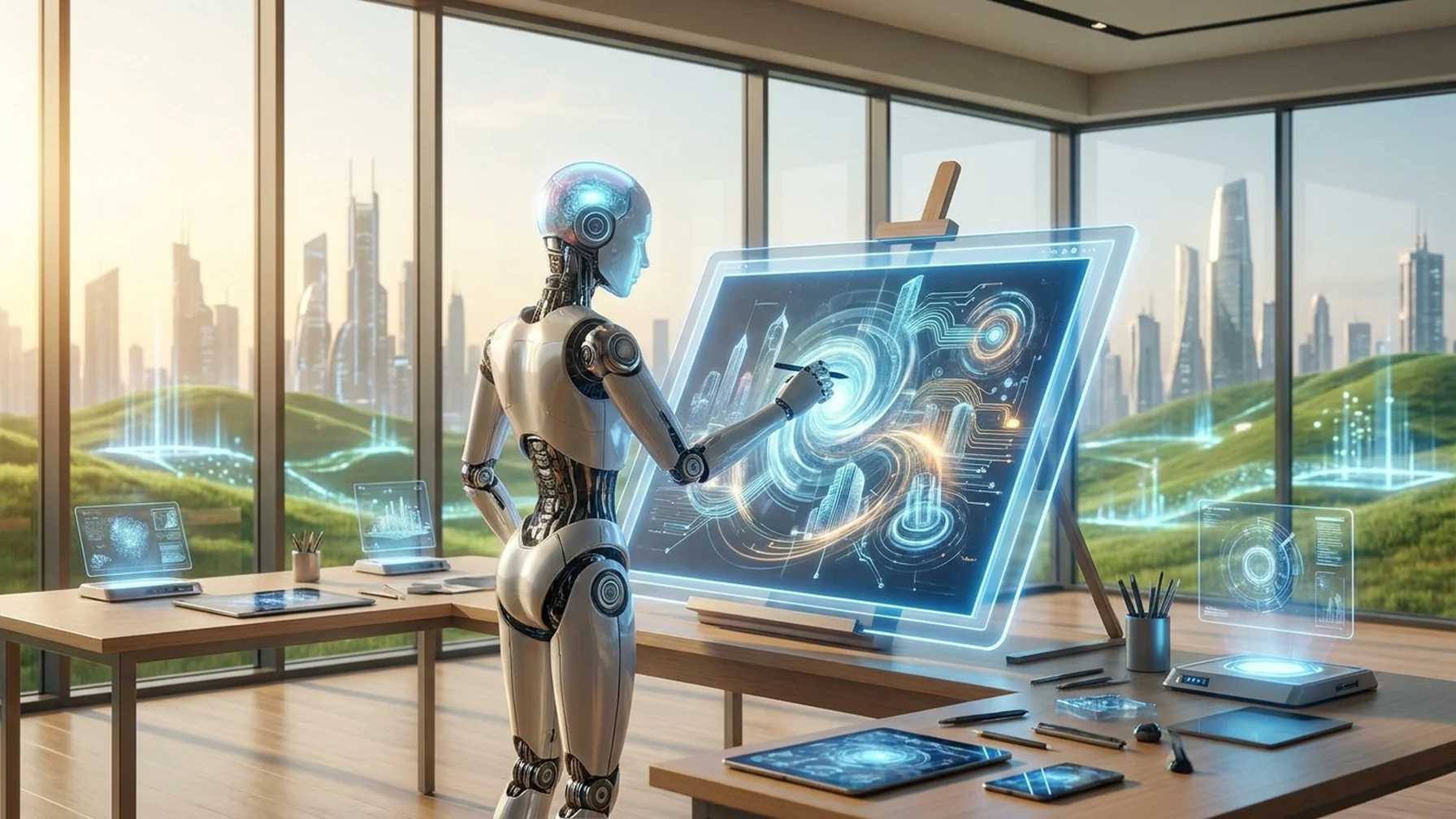
In recent years, digital art has seen a remarkable transformation with AI stepping in as a co-artist. This partnership between humans and machines is reshaping creativity, offering new avenues for artists and enthusiasts alike. AI's involvement in art is not just about generating images; it reflects a deeper integration where machine learning enhances artistic expression. With AI, artists can explore new styles, automate tedious tasks, and even collaborate on projects in ways previously unimaginable. As we delve into AI as a co-artist, it's essential to understand its impact on the art world and how it opens up a realm of possibilities for both creators and audiences. Let's explore the concept of AI as a co-artist and uncover the potential it holds for the future of art.
Understanding Digital Art
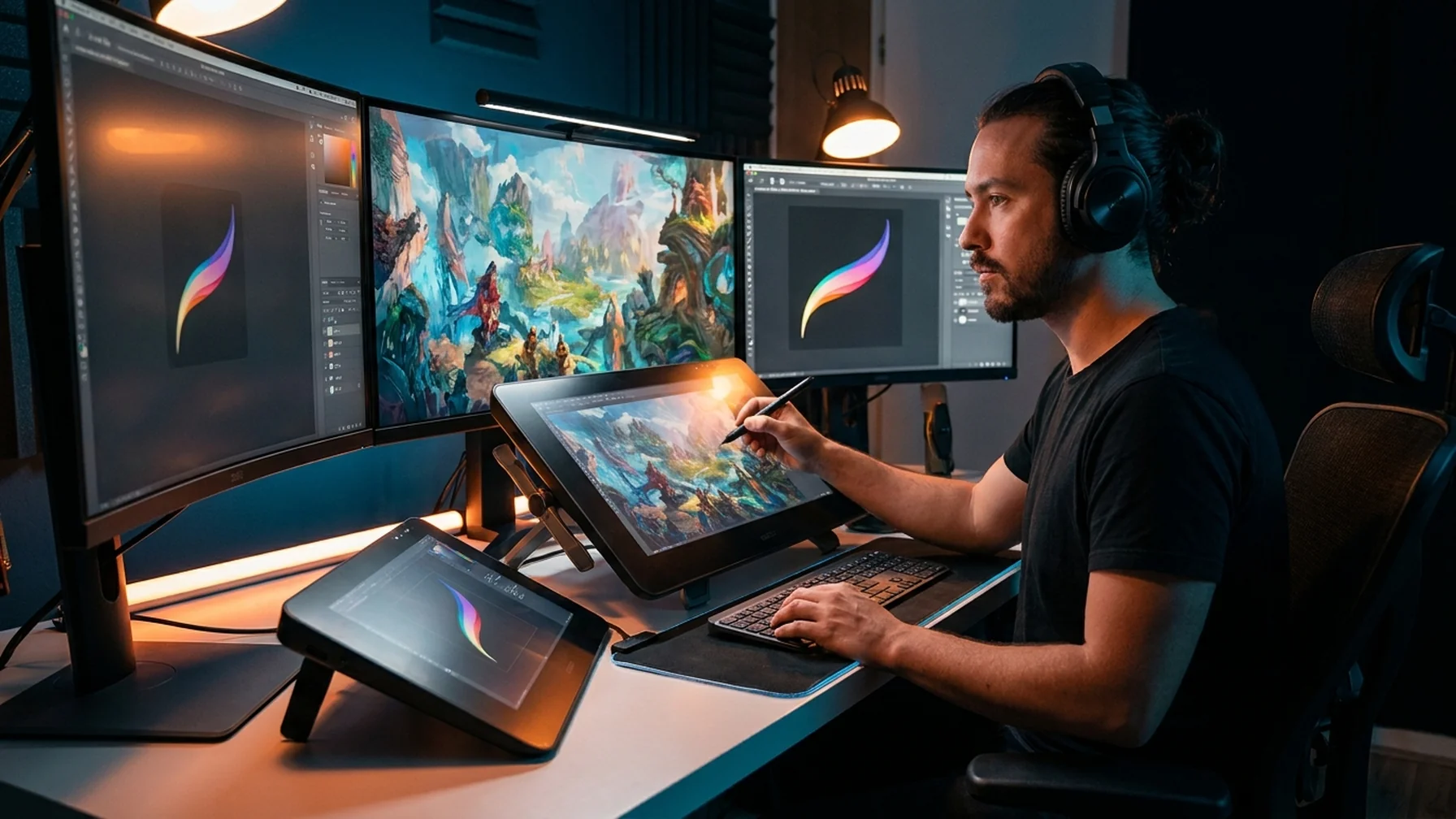
Digital art is a form of artistic expression that uses digital technology as an essential part of the creation or presentation process. It encompasses a variety of mediums, including digital painting, 3D modeling, and animation. Unlike traditional art, which relies on physical materials like canvas and paint, digital art operates in a virtual space, often using software and tablets.
For instance, digital painting allows artists to create vibrant artworks without the mess of traditional paint. An example is the use of Procreate by illustrators to craft detailed comic book art. 3D modeling software like Blender enables the creation of lifelike animations, as seen in popular films and video games. These digital tools provide artists with a new palette to experiment and create without the constraints of traditional methods.
What Is AI Art?
AI art refers to artwork created with the assistance of artificial intelligence. By using algorithms and machine learning, AI can generate new art pieces or collaborate with artists to enhance their creations. This evolution has led to the emergence of generative art, where AI algorithms autonomously create unique patterns and designs, pushing the boundaries of creativity.
For example, the AI program DeepDream uses neural networks to transform images into dream-like visuals, often creating surreal and abstract art. Another case is Google's AI, which has been used to analyze and recreate famous paintings, offering new perspectives on classic masterpieces. These AI-driven creations highlight the potential for innovation and experimentation in the art world.
Creating Digital Art: Getting Started
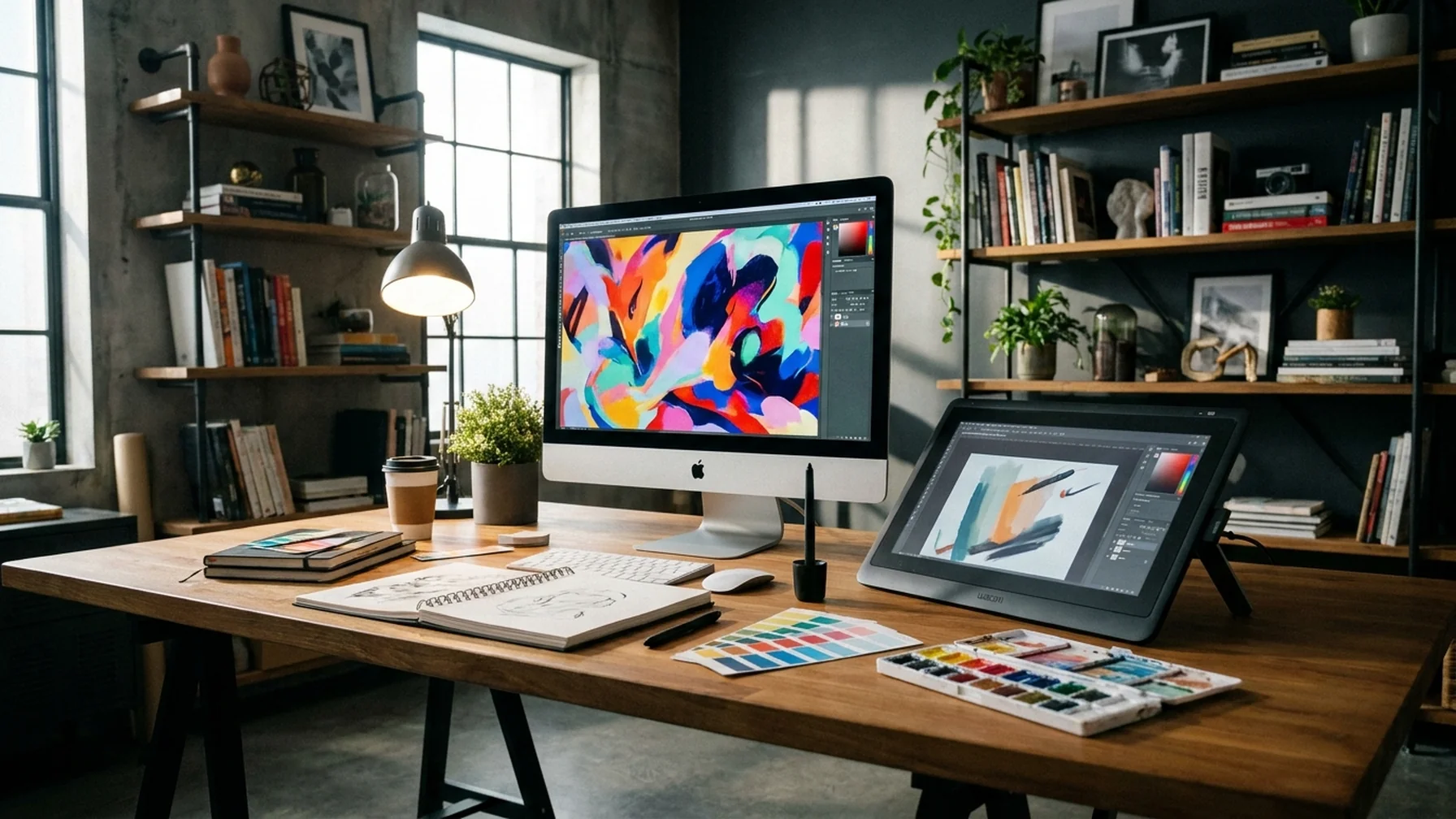
To begin your journey into digital art, you'll need a few essential tools:
- Software: Popular options include Adobe Photoshop, Corel Painter, and Procreate. These programs offer a range of features for digital painting and illustration.
- Tablet: A drawing tablet like the Wacom Intuos or iPad Pro can significantly enhance your ability to create intricate designs.
- Stylus: A pressure-sensitive stylus is crucial for achieving the precision and control needed for digital art.
With these tools in hand, you can start exploring various types of digital art, including digital painting, vector art, and 3D modeling. For example, digital artist Lois van Baarle uses these tools to create stunning, vibrant characters that captivate audiences worldwide. Experimenting with different techniques can help you discover your unique artistic style.
How to Make AI Art
Creating AI art begins with choosing the right tools. Platforms like DeepArt and RunwayML allow artists to experiment with AI-driven creativity. Here’s a simple guide to get you started:
- Choose an AI art platform that suits your needs.
- Upload an image or select a style you want the AI to mimic.
- Adjust the settings to refine the output according to your artistic vision.
- Let the AI process the image to generate your new artwork.
With practice, you can harness the power of AI to create stunning and unique pieces of art. A practical example is the use of RunwayML to create an animated short film, where AI assists in generating complex backgrounds and character animations, reducing production time and enhancing creativity.
Selling Digital Art and Making Money
Selling digital art has become easier with online platforms and marketplaces. Artists can showcase their work on sites like Etsy, DeviantArt, and ArtStation. To make a profit, consider pricing your art based on factors like time invested, complexity, and market demand. Additionally, NFTs (Non-Fungible Tokens) have opened new opportunities for digital artists to sell their work as unique, blockchain-certified pieces.
A successful case is the artist Beeple, who sold a digital collage as an NFT for $69 million, highlighting the lucrative potential of digital art in the NFT marketplace. By leveraging these platforms, artists can reach a global audience and monetize their creativity effectively.
AI as a Co-Artist: A New Era of Creativity
AI's role as a co-artist is not to replace human creativity but to augment it. By collaborating with AI, artists can explore new styles and techniques, pushing the boundaries of their creativity. This partnership allows for the creation of art that blends the precision of algorithms with the emotion and intuition of human artists.
For instance, artist Sougwen Chung uses AI to co-create drawings with robotic arms, blending human gestures with machine precision. This collaboration results in artwork that neither human nor machine could achieve alone, showcasing the innovative potential of AI as a co-artist.
Comparing Digital Art and Traditional Art
While digital art offers flexibility and endless possibilities, traditional art holds its own charm with tactile experiences and unique textures. The choice between the two often depends on an artist's personal preference and the desired outcome. However, with AI in the mix, digital art can achieve levels of complexity and innovation that are hard to replicate with traditional methods.
Consider the following comparison of features:
When it comes to digital art versus traditional art, each has its unique strengths:
| Aspect | Digital Art | Traditional Art |
|---|---|---|
| Flexibility | High, with easy editing | Limited, requires physical changes |
| Cost | Initial investment in tools | Ongoing cost of materials |
| Texture | Simulated through software | Natural and tactile |
| Reproducibility | Easy to replicate | Unique, hard to duplicate |
| Innovation | Enhanced by AI collaboration | Traditional techniques |
This comparison highlights how AI-enhanced digital art can offer new possibilities for innovation and exploration that traditional art cannot easily achieve. However, the tactile experience of traditional art remains irreplaceable for many artists and collectors.
Common Mistakes When Using AI as a Co-Artist
While AI brings exciting opportunities, artists may encounter common pitfalls. One frequent mistake is relying too heavily on AI, which can stifle personal creativity. For instance, artists might use AI to replicate styles without adding their unique touch, resulting in generic pieces.
Another issue is misunderstanding AI's capabilities, expecting it to create perfect artworks without guidance. An example is using AI-generated art without refining the output, leading to artworks that lack coherence or emotional impact. To avoid these mistakes, artists should view AI as a tool to enhance their vision, not replace it.
Additionally, artists should be cautious about data privacy when uploading personal work to AI platforms. Ensuring that they understand terms of service and data usage can prevent potential misuse of their creations.
Conclusion: Embrace the Future with AI as a Co-Artist
The integration of AI into the art world is just the beginning of a new era. As tools and technologies continue to evolve, artists will find more ways to express their creativity and engage with audiences worldwide. Whether you're a beginner or a seasoned artist, embracing AI as a co-artist can open doors to innovative art forms and opportunities. The future of art is here, and it's powered by the synergy between human creativity and artificial intelligence.